10 Great Humanoid Robots to Watch in 2026


Humanoid robots are finally moving from “spectacular demos” to serious industrial pilots - especially in automotive, logistics, and advanced manufacturing. For businesses, the question isn’t “Which robot is coolest?” It’s: which platforms are becoming deployable, with credible pathways for safety sign-off, serviceability, and repeatable tasks.
Our definition of “great” for 2026 is business-first: deployability (can it run shifts?), supportability (spares and MTTR), task fit (repeatable industrial work), and evidence of real pilots (not just stage demos).
Below are 10 humanoids we think industry operators should keep on their shortlist in 2026 - each for different reasons.
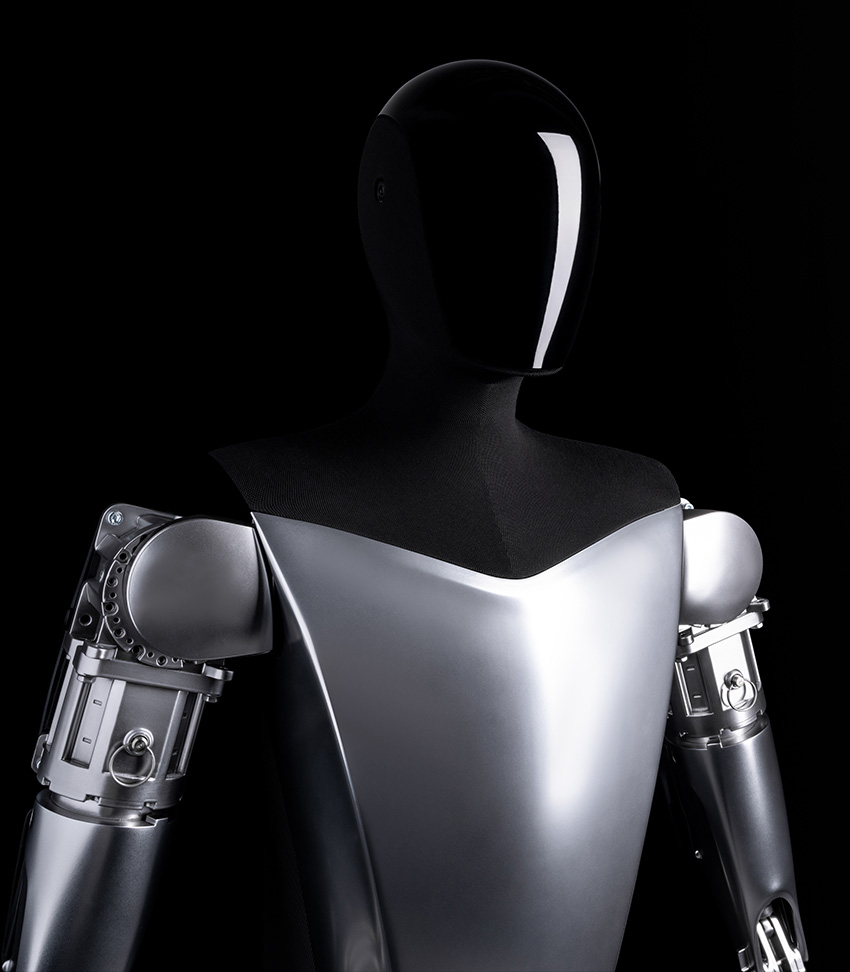
Tesla continues to signal internal factory use and longer-term production plans for Optimus (with timing and scale still evolving). Reuters has reported Musk’s comments about Optimus output ramping slowly and expectations around 2026 volumes.
Near-term relevance is mostly strategic - if Tesla succeeds on manufacturing scale and unit economics, it could change price expectations across the whole market.
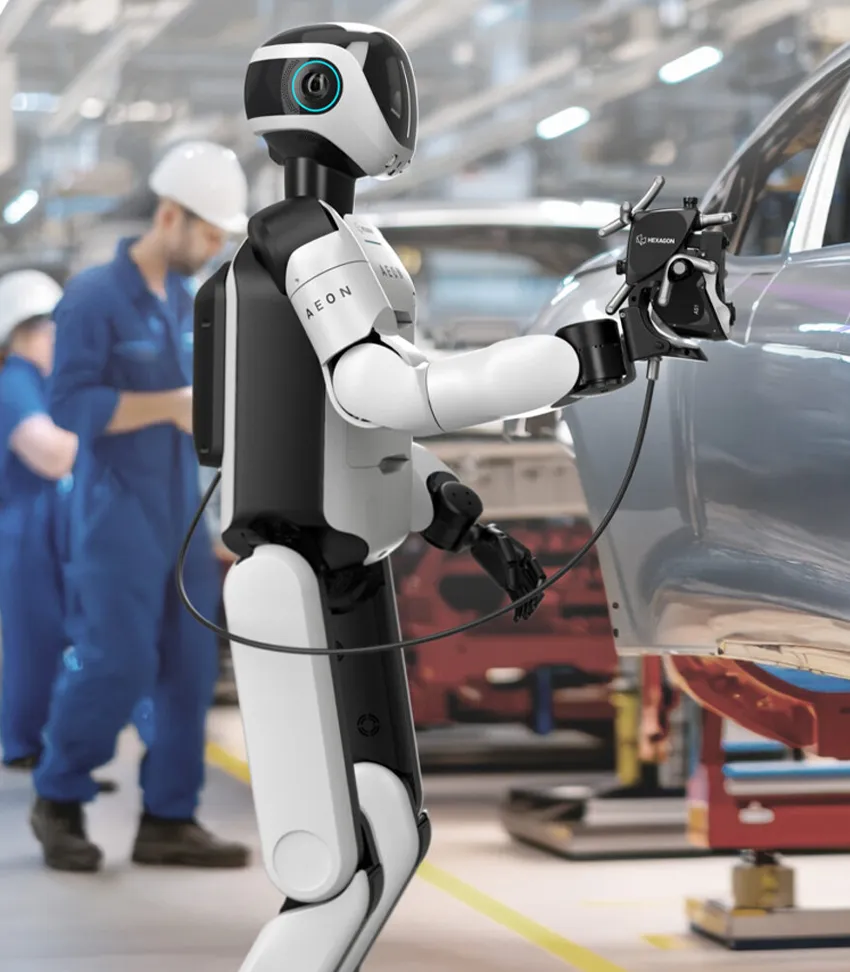
A rare example of a humanoid being positioned inside a major European manufacturer’s production roadmap. BMW and Hexagon have publicly described test deployments and an intended pilot phase, with AEON aimed at factory tasks like assembly contexts and battery/component work.
Brownfield manufacturing sites where flexibility matters, and where you want to follow an “acceptance-gated” set-up similar to large OEMs.
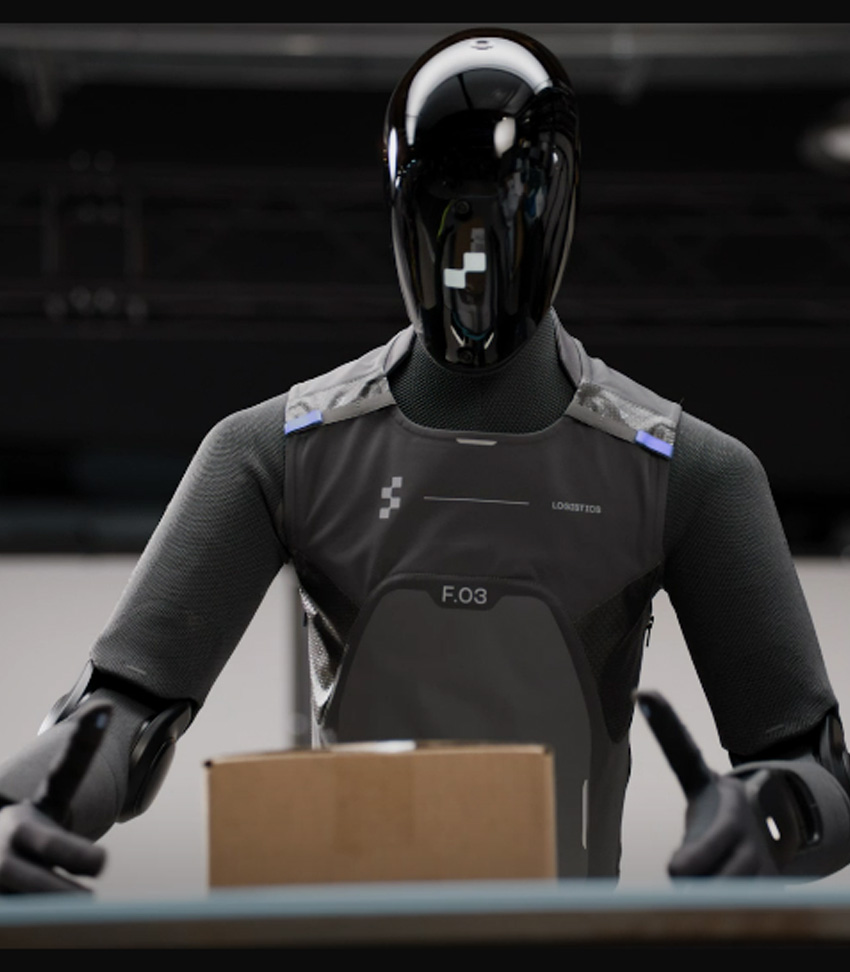
Figure has been unusually public about industrial piloting with BMW - BMW itself has described Figure 02 humanoid testing in a real production environment. The brand has also announced Figure 03 as its next-generation platform, and the one we're watching closely here at The Robot Group.
High-mix manufacturing environments where mobile manipulation and tool/part handling could remove repetitive work without rebuilding the line.
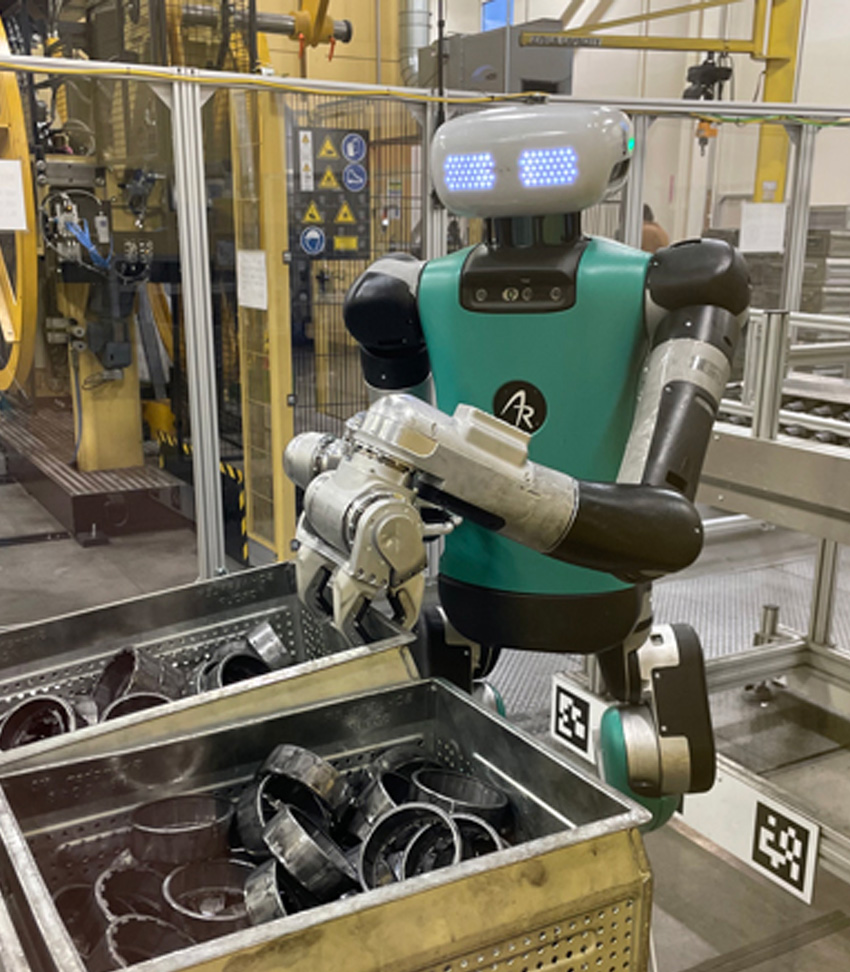
Digit remains one of the strongest “warehouse-flavoured” humanoids, with Agility Robotics pointing to commercial deployments and measurable throughput milestones (tote handling / material movement is exactly the kind of early value wedge we expect to scale first).
Warehouses/3PLs, tote handling, internal moves, and bulk material workflows - especially where AMRs alone don’t solve the “pick/place and move” gap.
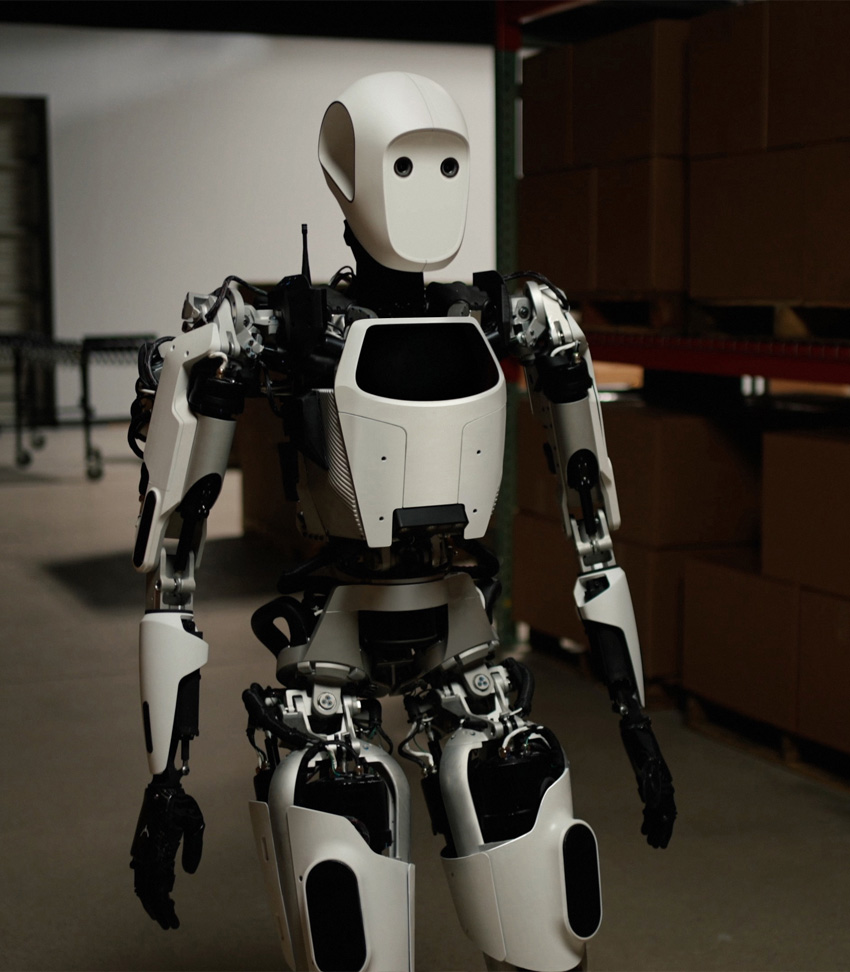
Apptronik has a commercial agreement with Mercedes-Benz to explore Apollo in manufacturing/logistics use cases such as line-side kit delivery and component handling - exactly the kind of “factory helper” tasks that UK plants can benchmark.
Warehouses/3PLs, tote handling, internal moves, and bulk material workflows - especially where AMRs alone don’t solve the “pick/place and move” gap.
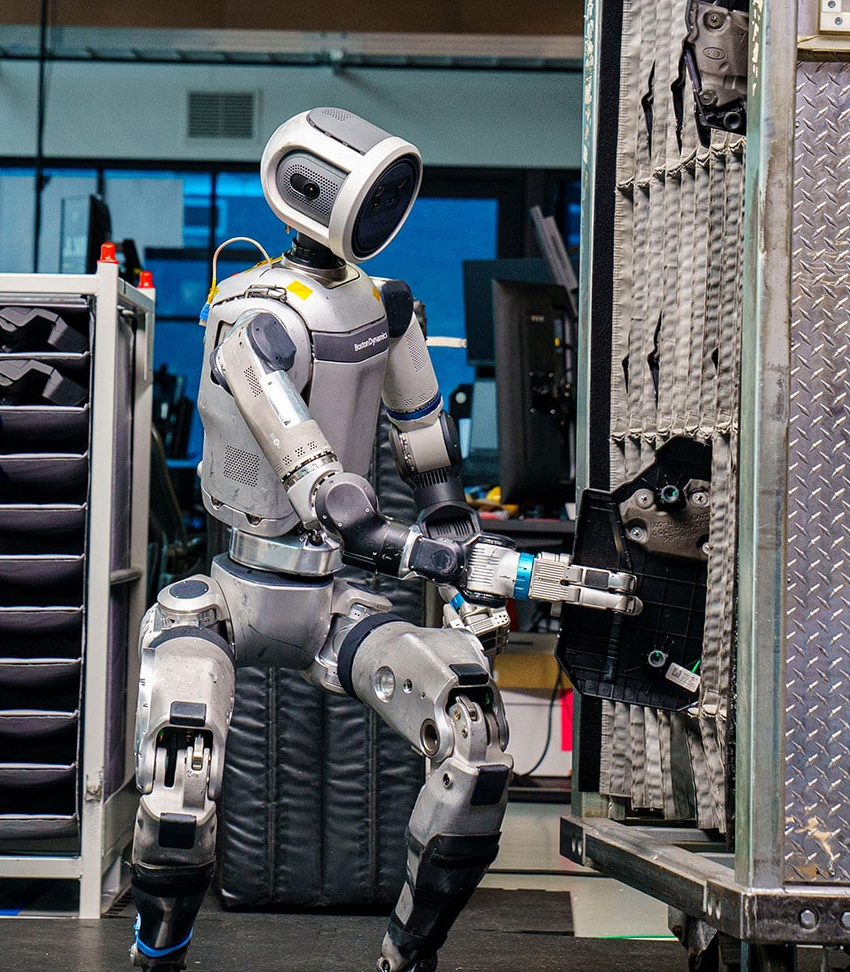
Boston Dynamics moved Atlas into a fully electric “next era” aimed at real industrial applications. Boston Dynamics is one of the few groups with decades of mobility credibility and deep industrial customer relationships.
High-demand industrial environments where you prioritise mobility performance and long-term vendor credibility, and you’re willing to pilot carefully.
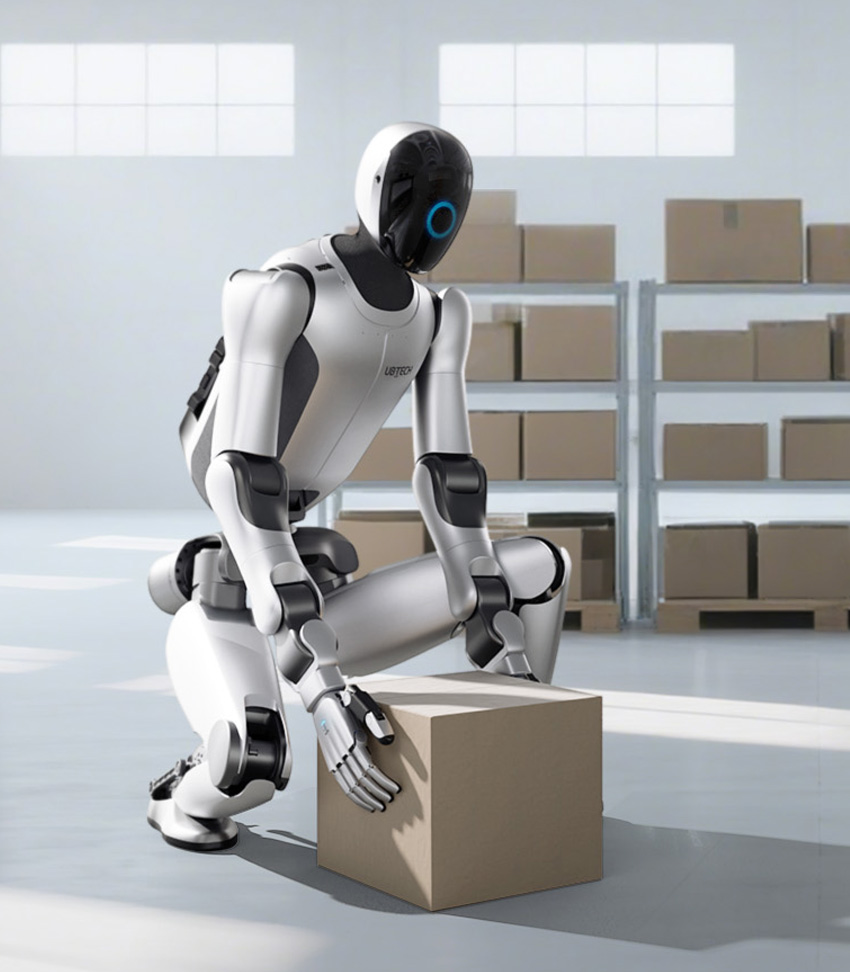
UBTECH has been pushing “industrial humanoid” positioning for its Walker S2 and has publicly discussed mass production/delivery and industrial scenarios (automotive manufacturing, factories, logistics).
Best treated as a platform to watch for scaling and cost dynamics - particularly if UBTECH expands support footprints and integration partnerships.
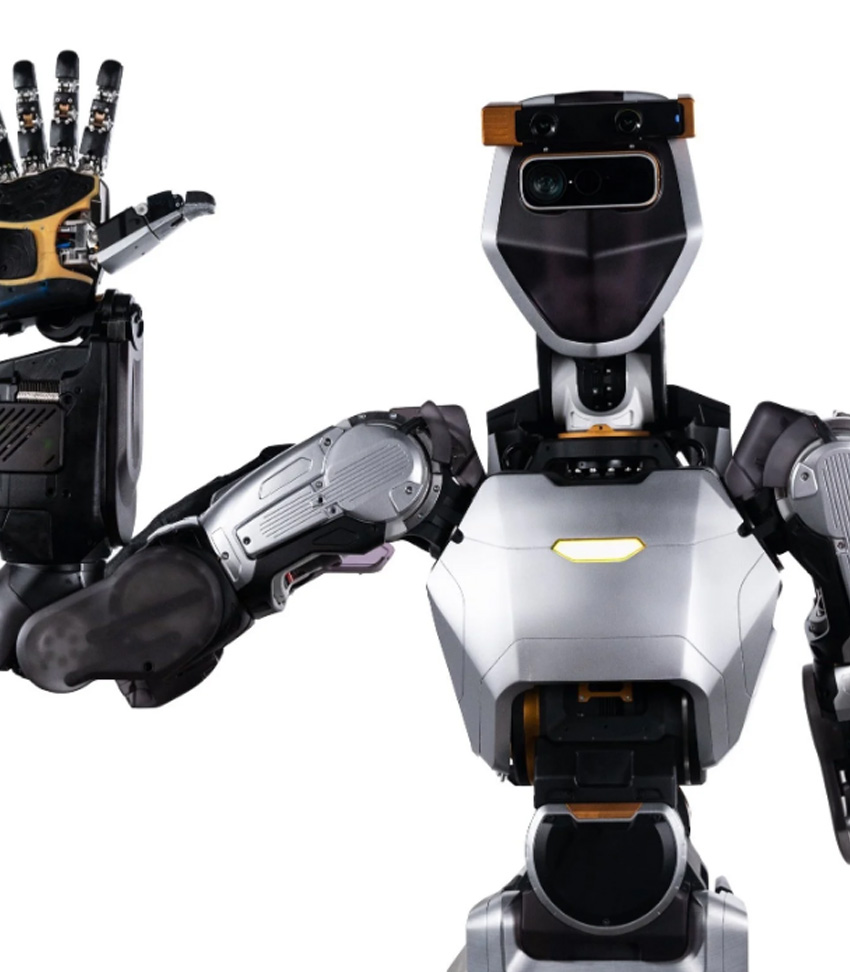
Sanctuary has steadily iterated Phoenix and has talked about generation updates focused on data capture and manufacturing-oriented design changes - signals that the company is building toward repeatable deployments rather than one-off demos.
Use cases with complex manipulation and learning curves - where task teaching, teleoperation-to-autonomy transitions, and dexterous handling matter.
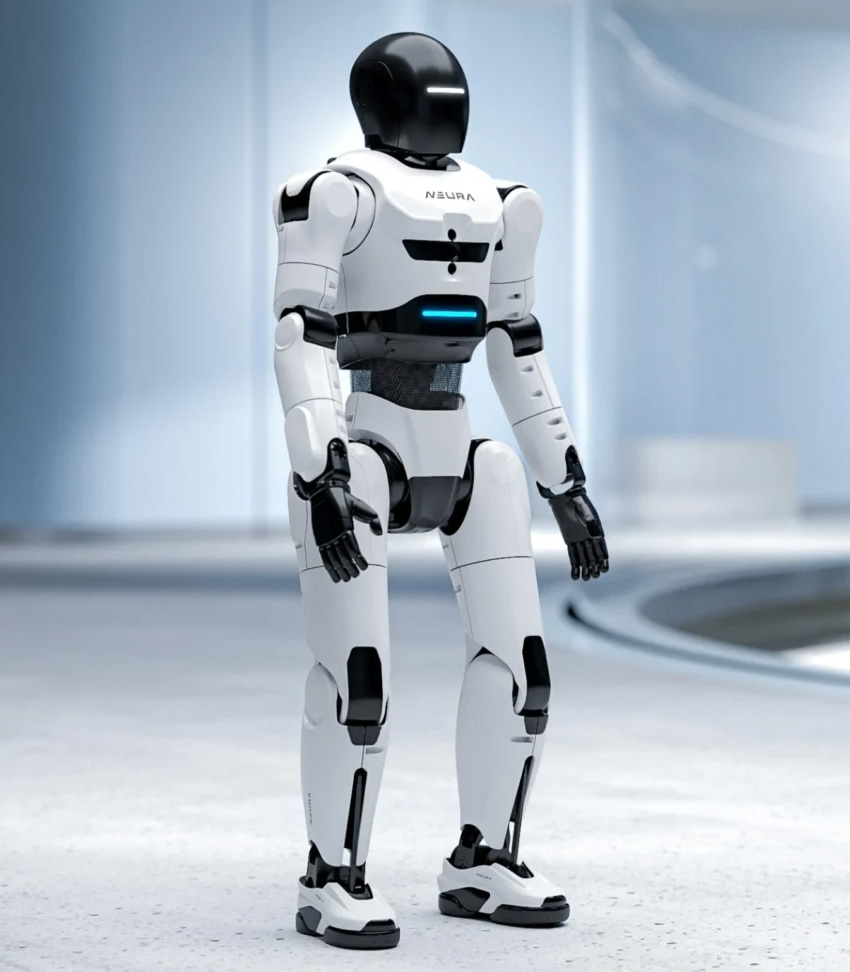
NEURA is a European player positioning 4NE1 for real-world collaboration, and it has shown public progress and third-generation announcements - useful for UK buyers who want a Europe-adjacent ecosystem and support model.
Sites that care about EU/UK operational alignment, integrator ecosystems, and a platform narrative tied to “cognitive robotics.”
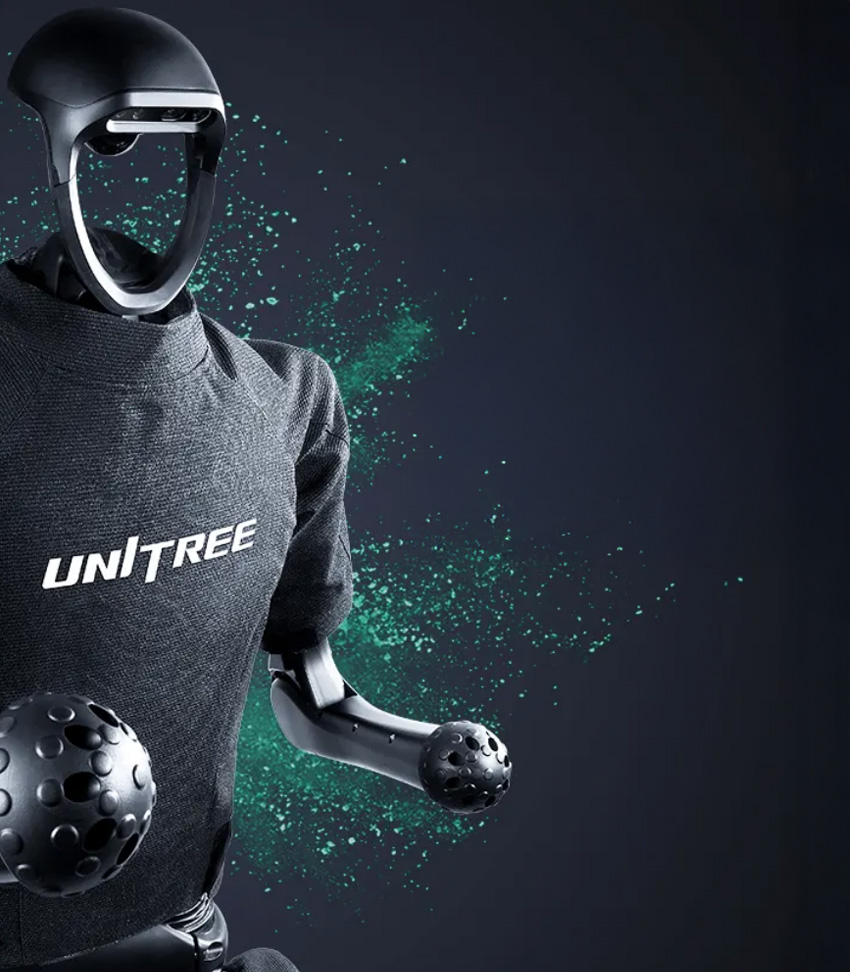
Unitree has quickly become a reference name for accessible humanoid hardware platforms, publishing specs and iterating variants like H1-2. For industry, it’s less about “plug-and-play labour” and more about a fast-moving platform that accelerates experimentation and integration work.
R&D-heavy organisations, system integrators, and advanced automation teams building capability before committing to large-scale deployments.
If you’re planning humanoids for 2026–27, treat the robot choice as step 3, not step 1.
The UK winners won’t be the teams who “try a humanoid.” They’ll be the teams who can standardise pilots into rollouts.
Start your readiness assessment with The Robot Group today.