Foundation Wants to Build Cities. First Comes the Robotic Workforce.
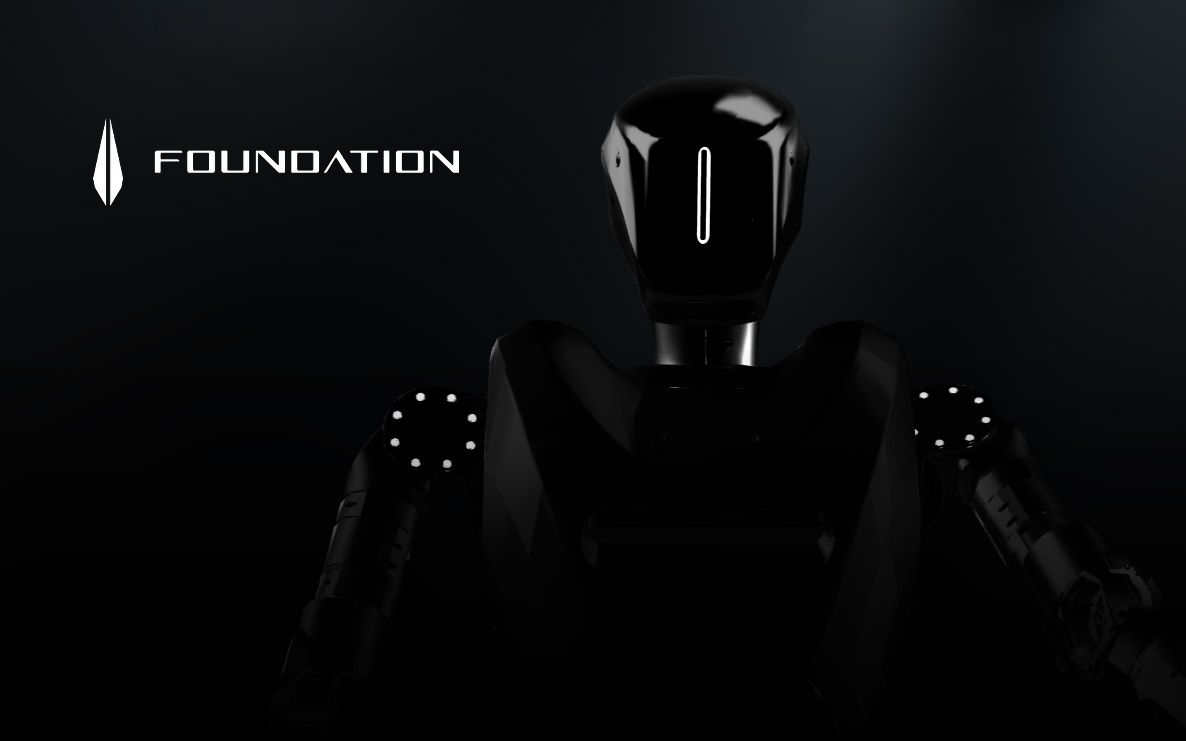


Foundation wants to use profits from its humanoid business to build a new city on Earth, with longer-term ambitions extending to the Moon and Mars.
One step in that plan deserves particular attention: “fleet coherence”.
Foundation describes robots sharing task information and coordinating around bottlenecks. Its construction example pairs robots moving materials with others assembling them.
For TRG, the commercial opportunity is in how those capabilities connect. Completing one task reliably is valuable. Coordinating several tasks could improve the flow of an entire operation.
That gives industrial buyers something useful to assess: completed output, delays between tasks and the human support required to keep work moving.
In a December 2025 interview, CEO Sankaet Pathak described his manufacturing lead’s experience of Tesla’s Model X and Y production ramps. One lesson for scaling robot production: “don’t try to automate too quickly.”
That judgement matters for adoption too. Businesses need to understand a process well enough to decide where automation will help and how to measure the result.
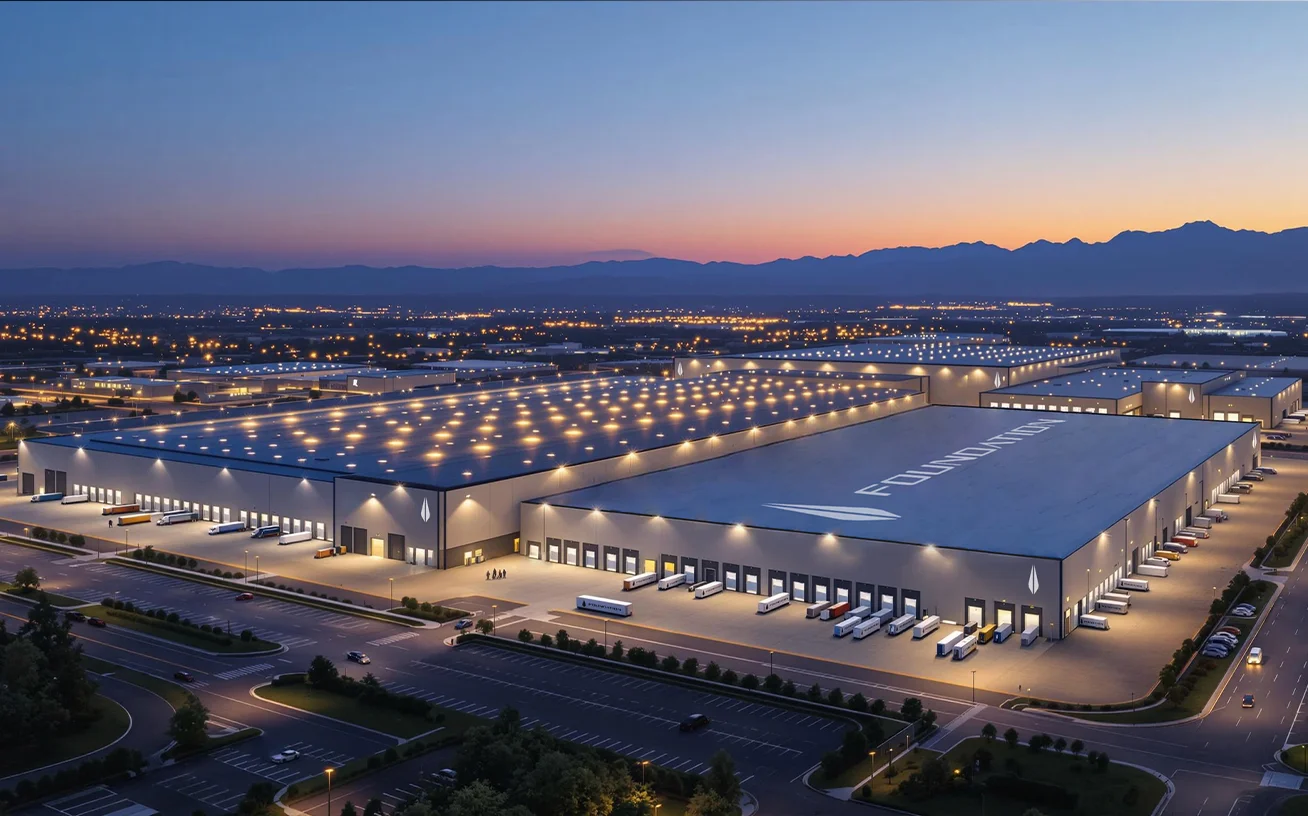
Foundation’s expansion plans make this timely. In July 2026, Pathak told Reuters that the company planned to open a factory in October with annual capacity for 5,000 robots. He was describing planned capacity.
The master plan sets out ambitions; it does not demonstrate the commercial performance of coordinated fleets.
The opportunity worth following is how capable individual robots could become a productive workforce. Foundation has made that progression an explicit part of its ambition.
TRG’s Humanoid Market Brief examines the commercial decisions shaping humanoid adoption.