The Next Humanoid Hotspots Aren’t Where You Think
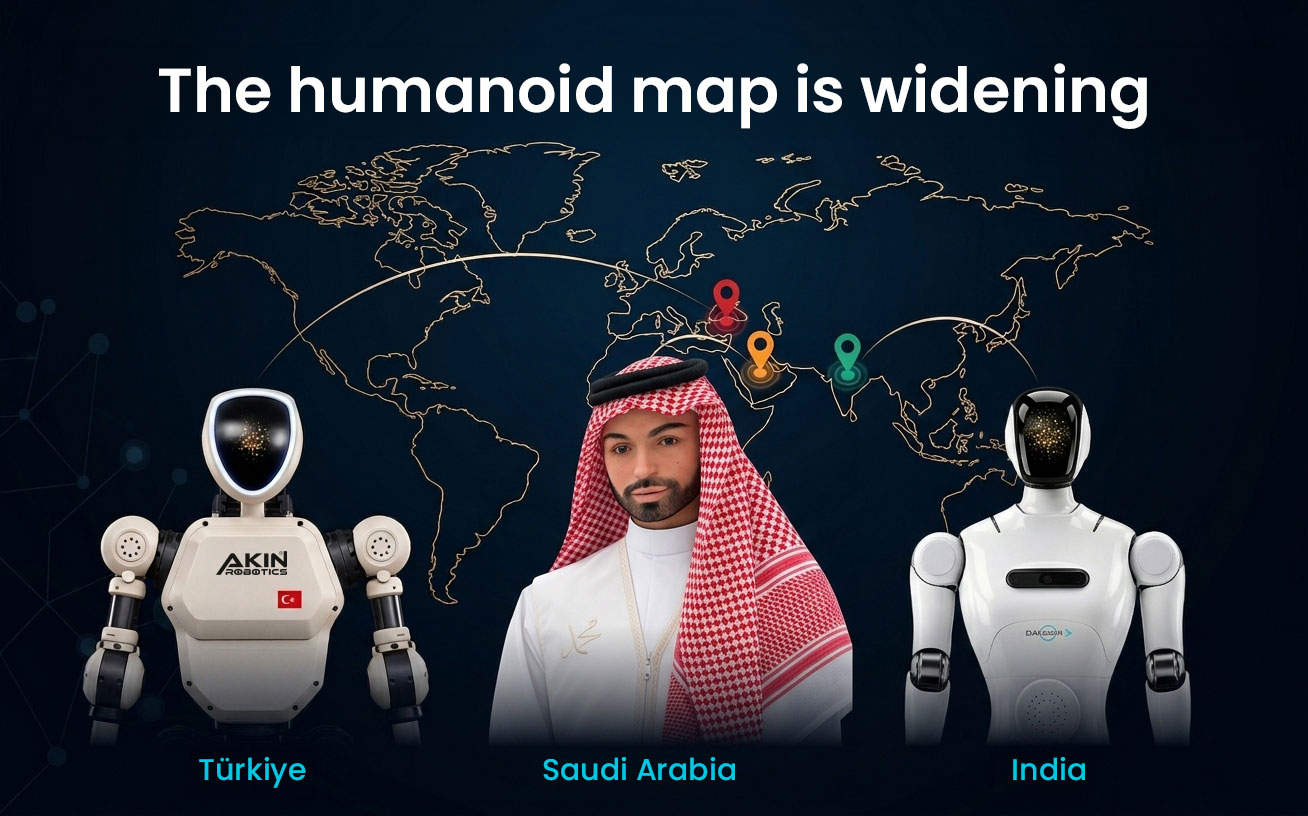


India, Saudi Arabia and Türkiye are starting to show credible signs of investment, manufacturing and real-world deployment.
The global humanoid conversation is remarkably concentrated.
China dominates on manufacturing scale. The US dominates investment headlines. Japan, South Korea and parts of Europe remain established robotics centres.
But look beyond those markets and something interesting is happening.
Humanoid robotics is beginning to develop in countries that barely feature on the industry's current map.
Not all of these companies are commercially proven. Far from it. But some are beginning to show the things worth watching: investment, manufacturing infrastructure, enterprise partnerships and actual routes to deployment.
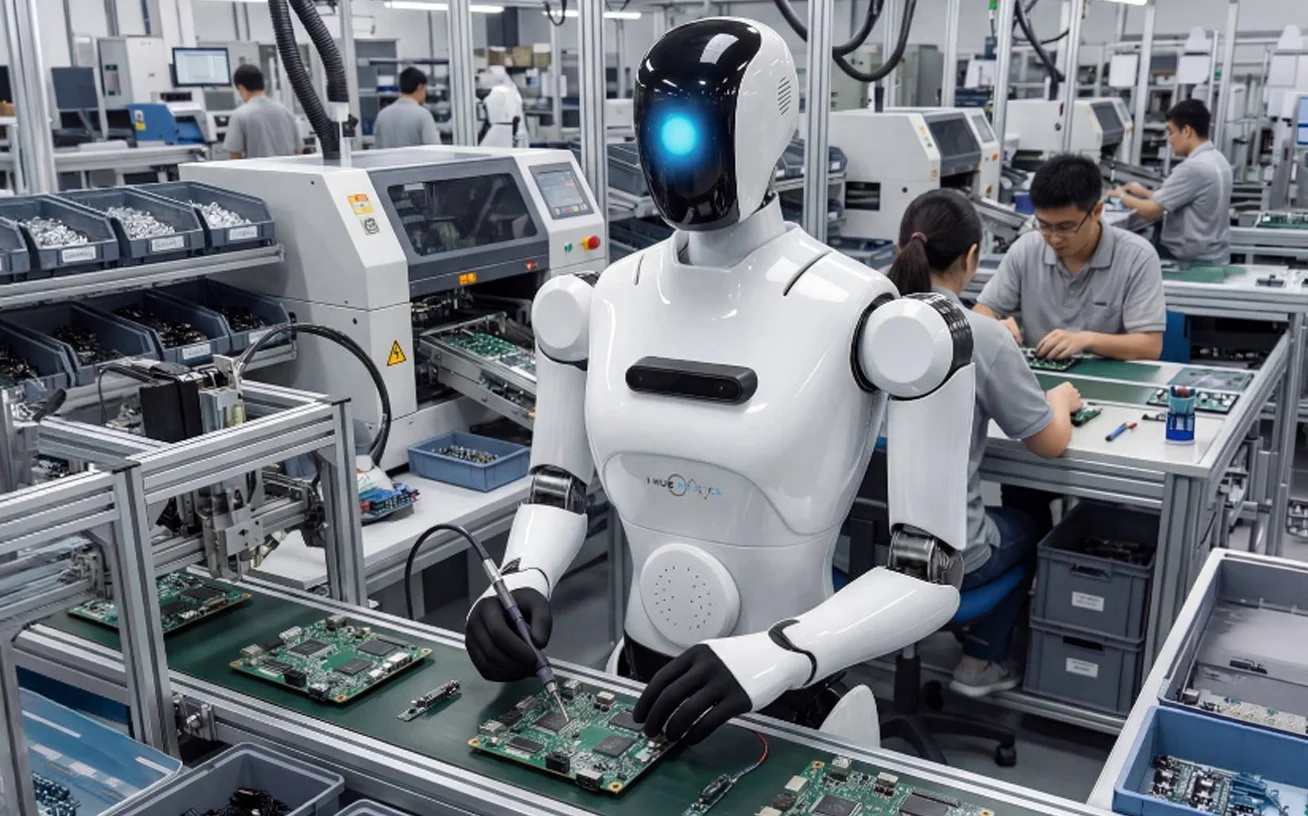
Kerala-based iHub Robotics is a good example.
The company raised ₹4.3 crore - approximately $520,000 - in pre-seed funding in 2025 and has already exported its Tara service robots outside India. Independent reporting in July put Tara deployments at around 35 units across three countries; iHub now says more than 50 robots are deployed across four.
More interesting is where it is going next.
Its Daksha platform is aimed at industrial work including assembly, inspection, sorting and material handling. In July, iHub announced a collaboration with Infosys around Physical AI and industrial automation using Daksha.
Daksha is still early. But India now has an emerging humanoid OEM combining capital, domestic engineering and a defined industrial proposition.
That deserves more attention.
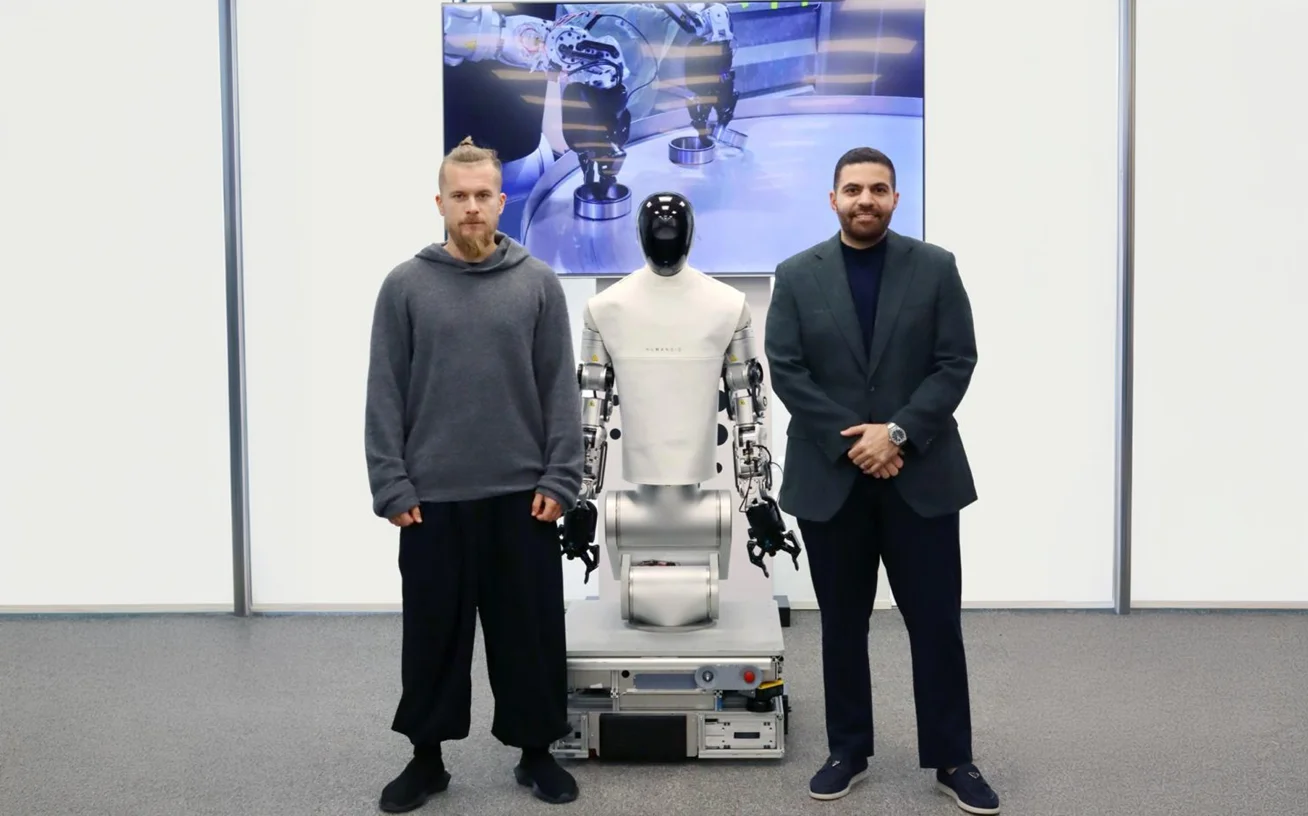
Saudi Arabia presents a different model.
Local robotics company QSS AI & Robotics has already demonstrated indigenous humanoid development through platforms including Sara and Mohammad - the latter described by QSS as the first Saudi-made male humanoid robot.
But the more commercially significant signal may be what QSS is building around international humanoid technology.
In October 2025, QSS partnered with UK developer Humanoid, becoming its exclusive commercial, distribution and localisation partner in Saudi Arabia. The partnership targets applications across manufacturing, logistics, retail and infrastructure, while QSS's Riyadh Robotics Factory is intended to explore local assembly, customisation and support for Humanoid's platforms.
The agreement also includes a non-binding pre-order framework for up to 10,000 humanoids over five years.
That figure needs context. It is not 10,000 confirmed orders or deployed robots. What may prove more important is the infrastructure being created around them.
Just one month after the partnership was announced, the companies opened the Humanoid Lounge in Riyadh, where Humanoid's HMND 01 Alpha Wheeled platform was demonstrated live. Humanoid said QSS would oversee local assembly at its Riyadh Robotics Factory as the relationship develops.
Then, in January 2026, QSS and Humanoid appeared together at Industrial Transformation - Saudi Arabia, alongside CATRION - moving the conversation closer to industrial users rather than keeping it within the technology-showcase circuit.
There is still an important credibility gap.
There is no publicly confirmed evidence yet of meaningful Saudi production volumes, conversion of the 10,000-unit framework into firm fleet orders, or a named large-scale industrial deployment of Humanoid platforms in the Kingdom.
So Saudi Arabia should not yet be presented as a humanoid manufacturing success story.
It is something earlier - and potentially more interesting:
an attempt to build the localisation, integration, customer-access and support infrastructure required before humanoids can scale.
The next important humanoid market may not be the country that designs every robot from scratch. It may be the one that becomes exceptionally good at adapting, supporting and ultimately putting them to work.
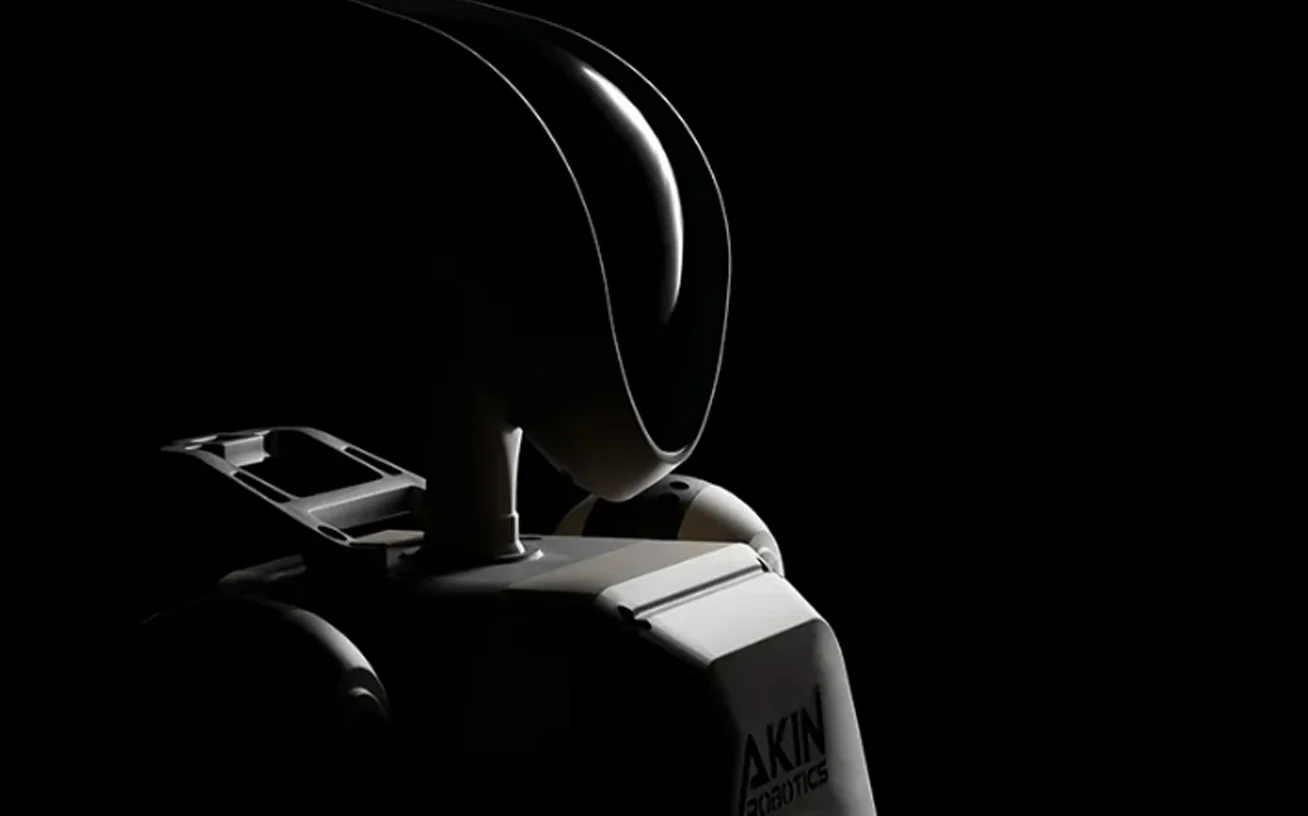
Then there is AKINROBOTICS.
The Turkish manufacturer says its humanoid R&D began 17 years ago - long before the current investment boom - and operates a 3,800 m² indoor robotics facility in Konya.
Across its wider robot portfolio, it reports 385 robots produced. In June 2026 it unveiled its latest full humanoid, AKINCI-5.
AKINCI-5 is not yet a commercial deployment story.
But that's precisely why AKINROBOTICS is interesting: behind the new humanoid is an existing manufacturing organisation, production infrastructure and years of robotics engineering rather than a company created during the latest humanoid funding cycle.
We like to watch the signals, not just the big headlines.
None of these examples prove where the next humanoid winner will emerge. But they do suggest the map could become wider.
The countries worth watching may not simply be those producing the most impressive demonstrations.
Look for capital. Look for factories. Look for customers. Look for localisation. And above all, look for robots being designed around jobs somebody will actually pay them to perform.
The next credible humanoid company may not come from the obvious hotspots.
It could already be taking shape somewhere the industry isn't looking.