Humanoid Robots for Warehouses and Manufacturing (UK)
Run a paid, acceptance-gated pilot. Then convert to a 36–60 month lease or purchase.
Book a discovery call
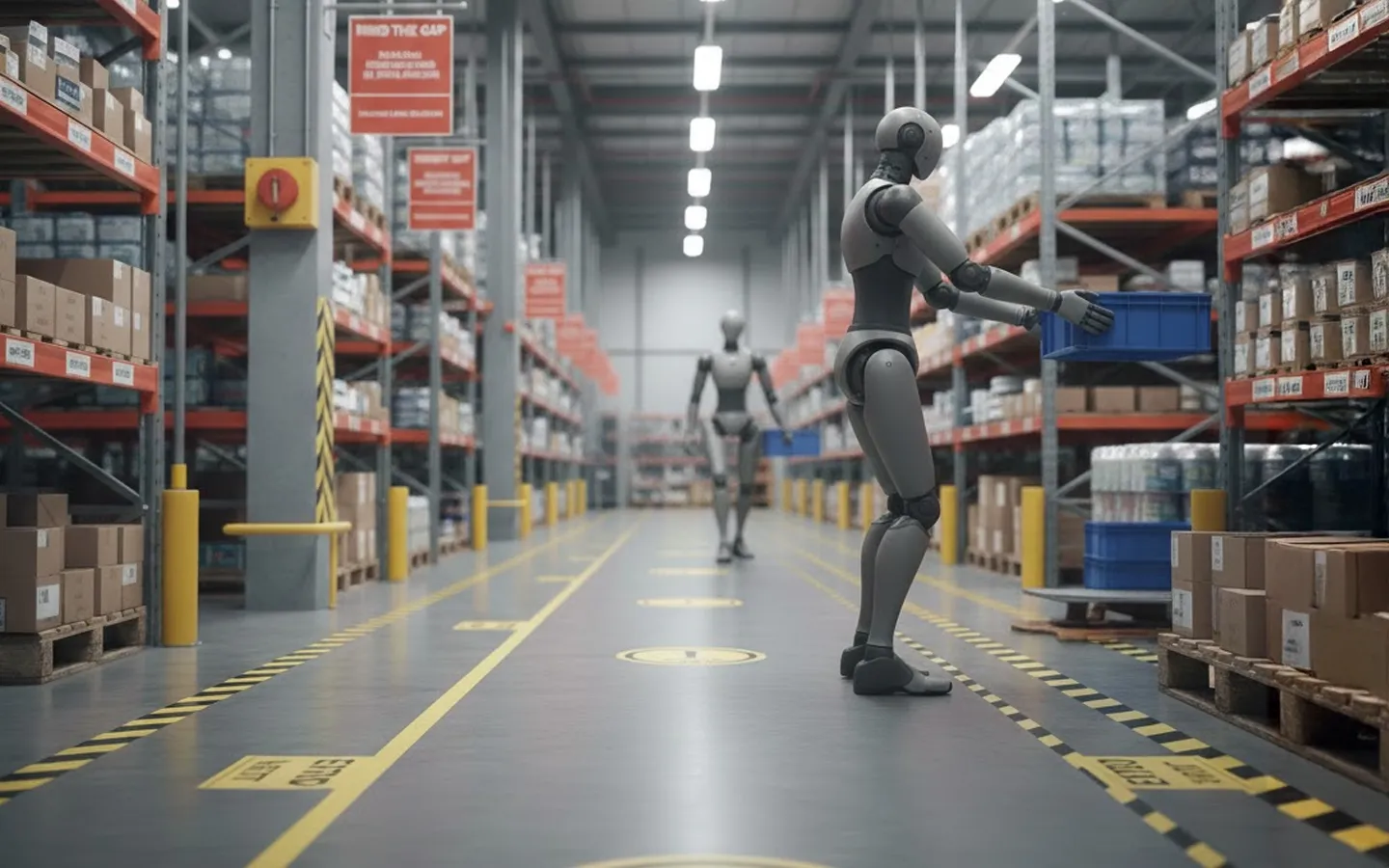
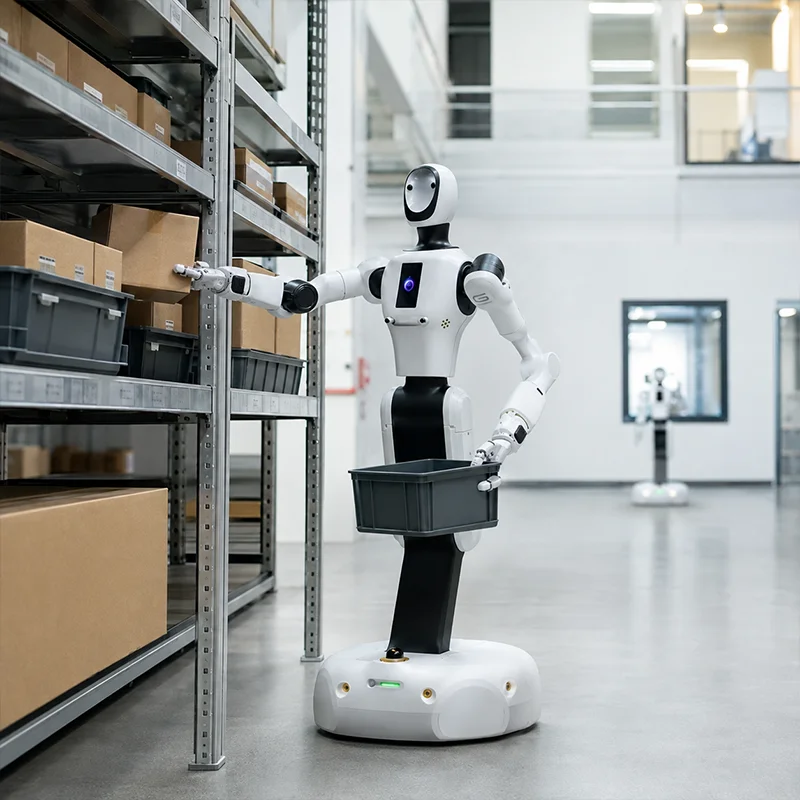
Humanoid robots are moving from demos to real work: tote handling, kitting, line-side supply, routine plant tasks, and structured warehouse movements.

The Robot Group helps UK businesses evaluate humanoids safely and commercially with a PUWER-led assessment and a SAT-gated paid pilot that can convert into 36–60 month funding when performance is proven.
Humanoid Robots working on production line
Why you're here
Turn humanoid robot interest into a measurable pilot plan.
If you’re searching for humanoid robots for a warehouse or factory, you’re usually looking for one of these outcomes:
  • Reduce repetitive manual handling and associated injury risk
  • Stabilise output where labour is hard to recruit or retain
  • Improve throughput on predictable, repeatable tasks (totes, kitting, replenishment)
  • Keep lines fed and reduce micro-stoppages
  • Extend capacity into evenings/weekends without adding headcount
Our approach is built around measurable tasks and signed acceptance, so you can make a decision with evidence.
Schedule a callback
The TRG way: PUWER-led assessment to SAT-gated pilot through to funding.  

Most robotics trials fail because they’re vague: unclear tasks, unclear safety responsibilities, unclear acceptance, unclear commercial path.
TRG standardises the journey:
01. Site & task fit (PUWER-led)
We assess your site and target tasks through a PUWER-led lens, then define clear safety boundaries and measurable success criteria so you know exactly what’s realistic before deployment.
02. Paid pilot with clear gates (typically 8–12 weeks)
We run a paid, time-boxed pilot with staged gates for safety and performance, producing objective evidence for a go/no-go decision and a clean path to scale after SAT.
03. SAT acceptance (signed)
When the robot meets the agreed criteria, your authorised signatory confirms acceptance.
04. Convert to 36–60 month lease/HP or purchase
Once SAT is passed, we support conversion to longer-term funding, so you can scale without large upfront capex.
Use cases that pilot well. High signal, measurable KPIs.
Tasks where pilots tend to be clearest and fastest to evaluate
Warehousing & 3PL
Tote handling and internal movements, replenishment runs, kitting and staging or routine pick/pack support tasks (where safe and appropriate).
Tasks where pilots tend to be clearest and fastest to evaluate
Manufacturing plants
Line-side supply / material presentation, kitting for assembly, end-of-line routine tasks, inspection rounds and simple checks (site dependent).
Tasks where pilots tend to be clearest and fastest to evaluate
Facilities / routine site tasks
Stock runs and internal deliveries or simple scheduled tasks in controlled environments.
Arrow pointing left
Arrow pointing right
If you’re considering front-of-house hospitality use cases, we can advise - but most businesses start with back-of-house and industrial tasks where acceptance criteria are cleaner.
Why businesses use The Robot Group instead of going direct.
You can speak to OEMs directly - and you should. We add value by making pilots financeable and repeatable. Get a tailored estimate in minutes - then book a 15-minute scoping call to lock the plan.
Schedule a callback
FAQs
How long should a humanoid robot pilot run?
For warehouses and plants, a 90-day pilot is common, sometimes with a single extension for complex sites. The key is a gated plan and a clear SAT decision.
FAQs
Who pays for the pilot?
Typically, the pilot is paid by the end customer to the OEM/Humanoid Robot Manufacturer. TRG manages the framework and documentation so successful pilots can convert smoothly to longer-term funding.
FAQs
What does “SAT” mean?
Site Acceptance Testing (SAT) is a defined set of tests and KPIs that determine whether the robot is accepted for ongoing deployment. It’s signed by an authorised representative at your site.
FAQs
Can we lease humanoid robots in the UK?
In many cases, yes - particularly once the asset is accepted and documented. Leases/HP are typically 36–60 months, subject to underwriting and documentation.
FAQs
What information do we need to start?
A short description of: 1) the task(s) you want to automate. 2) your site environment. 3) shift pattern and target KPIs. 4) any safety/compliance constraints.
Arrow pointing left
Arrow pointing right
Ready to deploy humanoid robots in your business?