Astribot
S1

S1

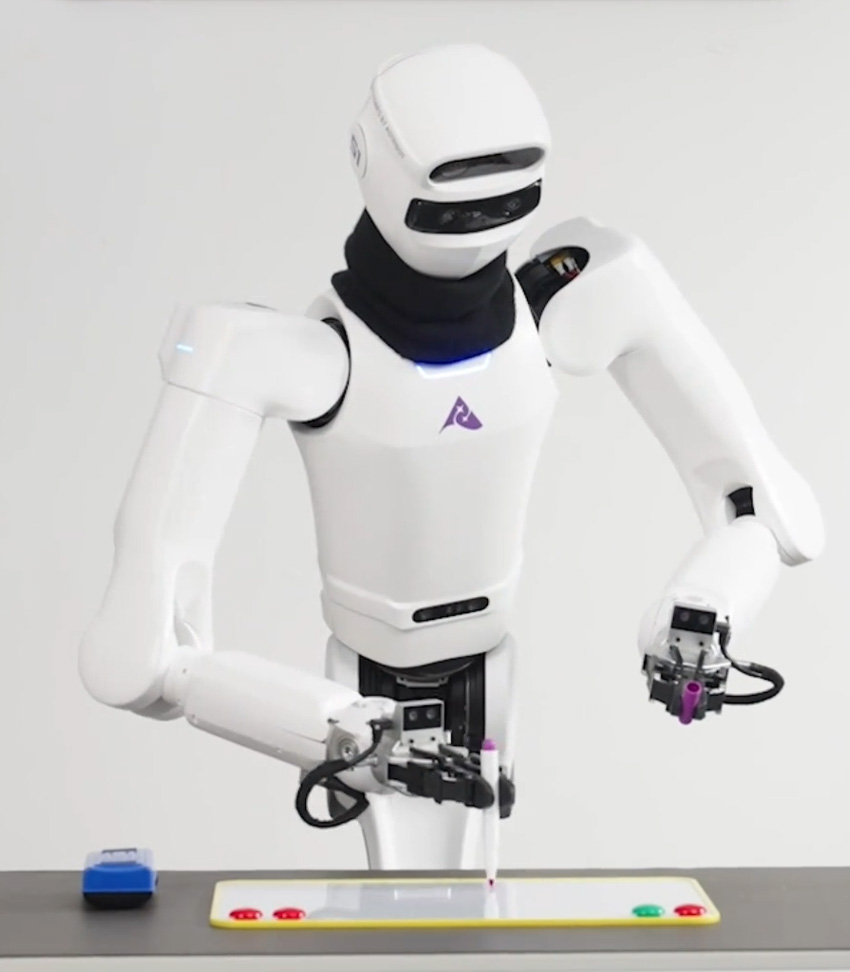
The Apex of High-Speed Manipulation. Astribot S1 is a high-performance humanoid designed to exceed human operational speed and precision. Built for "adult-level" dexterity and powered by advanced imitation learning.
Key industrial use cases
High-Speed Tasks, Laboratories, Precision Assembly and Complex Service Environments
Request Assessment
Robot overview

The Astribot S1 stands 173 cm (5’8”) tall and is engineered to mirror the operational parameters of an adult male - but with a "superhuman" twist. While it features an anthropomorphic upper body with 7-DoF arms, it often utilises a wheeled or specialised mobile base rather than traditional bipedal legs to maximize stability and speed in industrial environments.

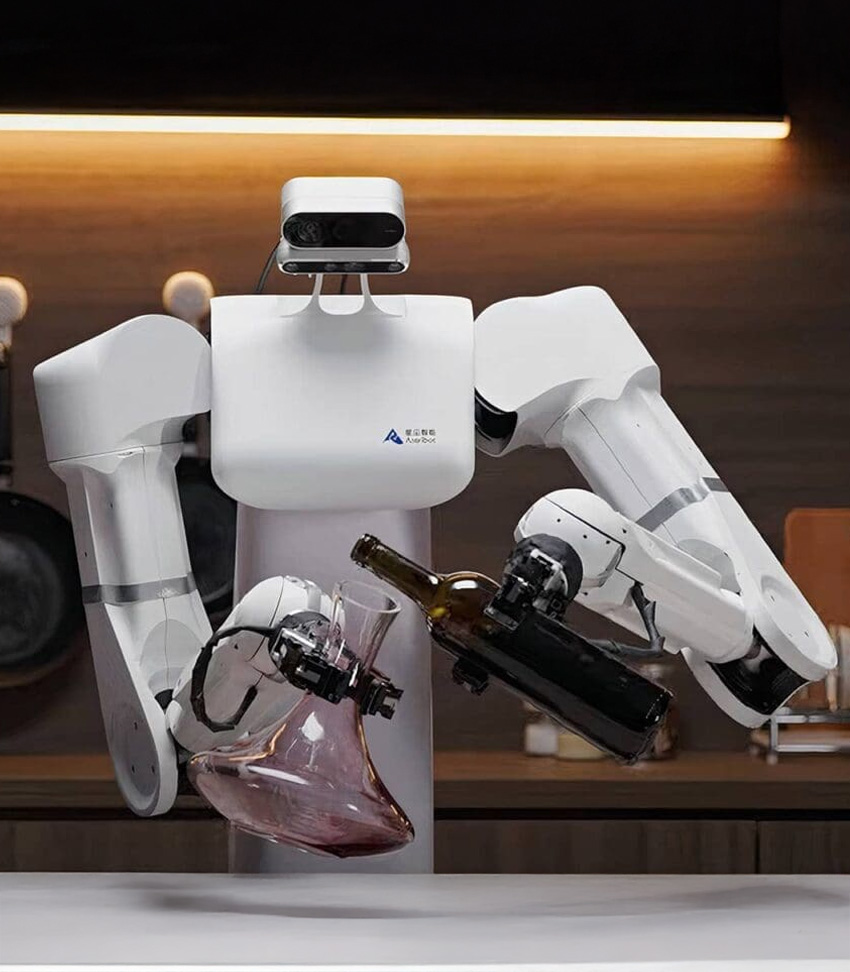
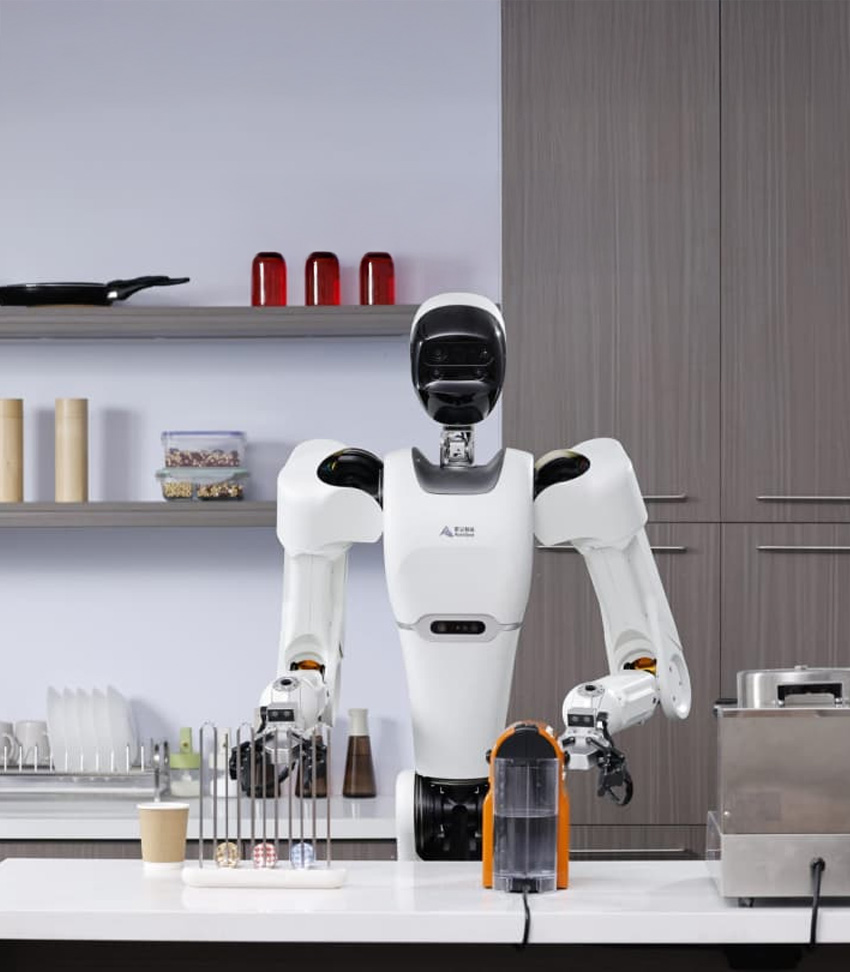
Managed through the Astribot UI, the S1 is a "software-hardware integrated" system. It is designed to learn by observing humans (via VR teleoperation and imitation learning), allowing enterprises to "record" a complex manual task once and have the robot replicate it with robotic consistency. As of 2026, it is being deployed primarily in sectors requiring high-speed sorting, delicate laboratory work, and advanced domestic/professional service.
Key
Technical Breakthroughs
  • Superhuman Velocity: The S1 features a maximum effector velocity of 10 m/s and a terminal acceleration of 100 m/s². This makes it one of the few humanoids capable of tasks that require "fast-twitch" response, such as catching falling objects or clearing high-speed conveyor jams.
  • Extreme Precision (0.03mm): Unlike many industrial humanoids that have a repeatability of 1–5 mm, the S1 boasts a positioning repeatability of ±0.03 mm. This level of accuracy is typically reserved for stationary industrial arms, enabling the S1 to perform tasks like micro-assembly and calligraphy.
  • VR Teleoperation for Data Collection: To solve the "data bottleneck" in AI, Astribot provides a zero-latency VR teleoperation suite. This allows human experts to train the S1 in real-time for complex, unscripted tasks, which are then processed into the robot’s autonomous skill library.
  • DFAI Architecture: The "Design for AI" system ensures that the hardware’s limits never throttle the AI’s intelligence. The 7-DoF arms are capable of a 10 kg (22 lbs) payload per arm while maintaining the fluid, smooth movements required for safe human-robot collaboration.
Deployment
+ Scalability
  • Mass Commercialization (2025–2026): Following a year of intense testing, the S1 entered full commercial availability in late 2025. By 2026, it is being shipped globally to research labs, data collection centers, and high-precision manufacturing sites.
  • Hybrid Power Model: Recognizing the limits of mobile batteries, the S1 supports both autonomous battery operation (4–6 hours) and a plug-in power mode for 24/7 stationary workstation tasks.
  • Open Toolchain for Enterprises: Astribot provides a comprehensive API and expert development guidelines, supporting major simulation platforms like NVIDIA Isaac and Mujoco. This allows enterprise innovation units to verify models digitally before physical deployment.
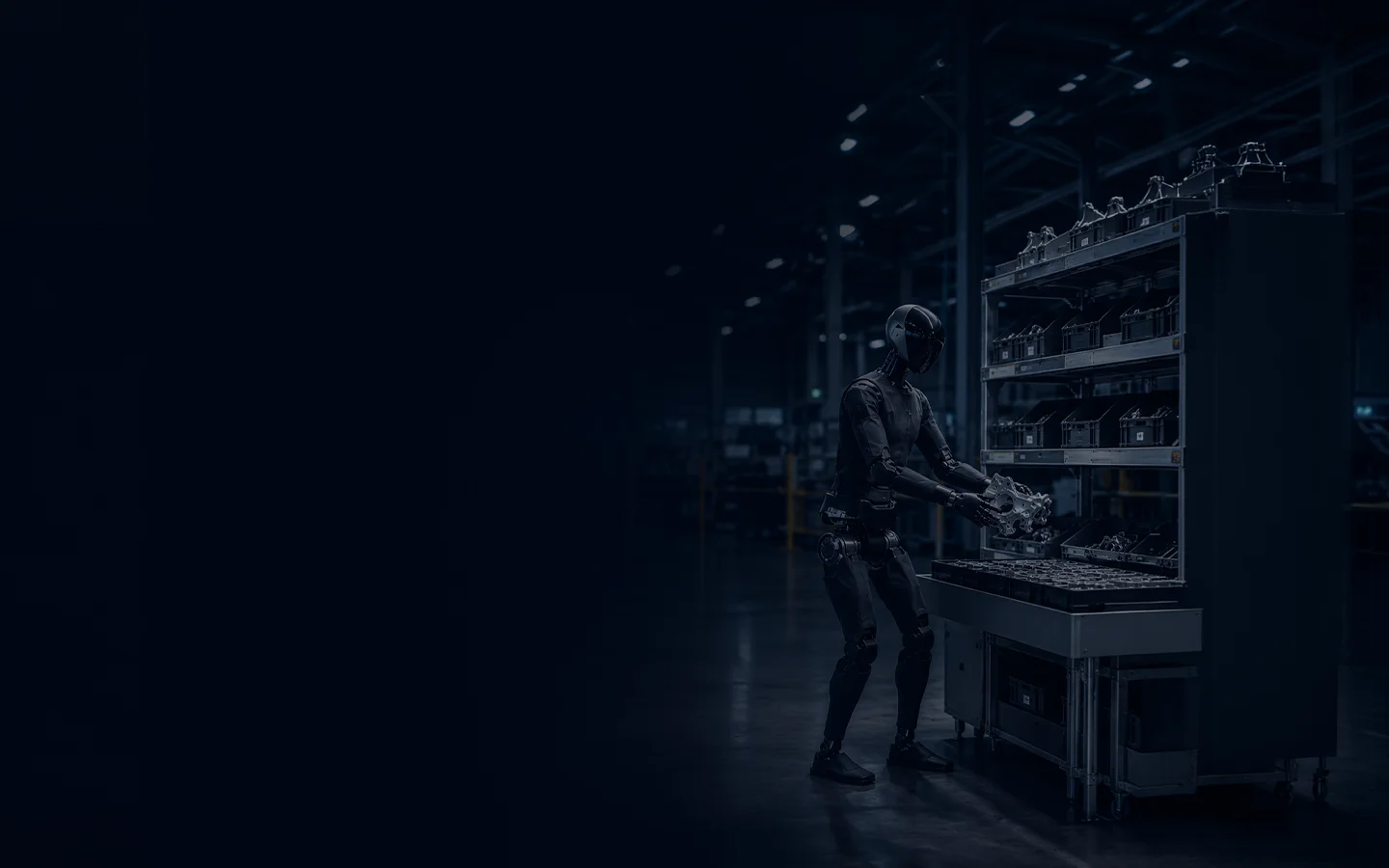
  • Industry Focus: While demonstrated doing "household chores," the 2026 enterprise push is centered on Healthcare (precise lab handling) and Logistics/Retail (item sorting and high-speed kitting), where its speed offers a clear ROI over slower bipedal alternatives.
Direct access to leading humanoid OEMs; at the industry’s best rates.
The Robot Group is an independent adviser. Brand names and products are referenced for comparison.

All trademarks are the property of their respective owners. Availability and UK compliance subject to OEM confirmation.
Ready to deploy humanoid robots in your business?