Agile ONE and the factory where robots help build more robots


In a September 2026 factory account, Agile Robots describes mobile robots carrying parts between assembly stations at Fürstenfeldbruck. It says those journeys are recorded to help improve later systems.
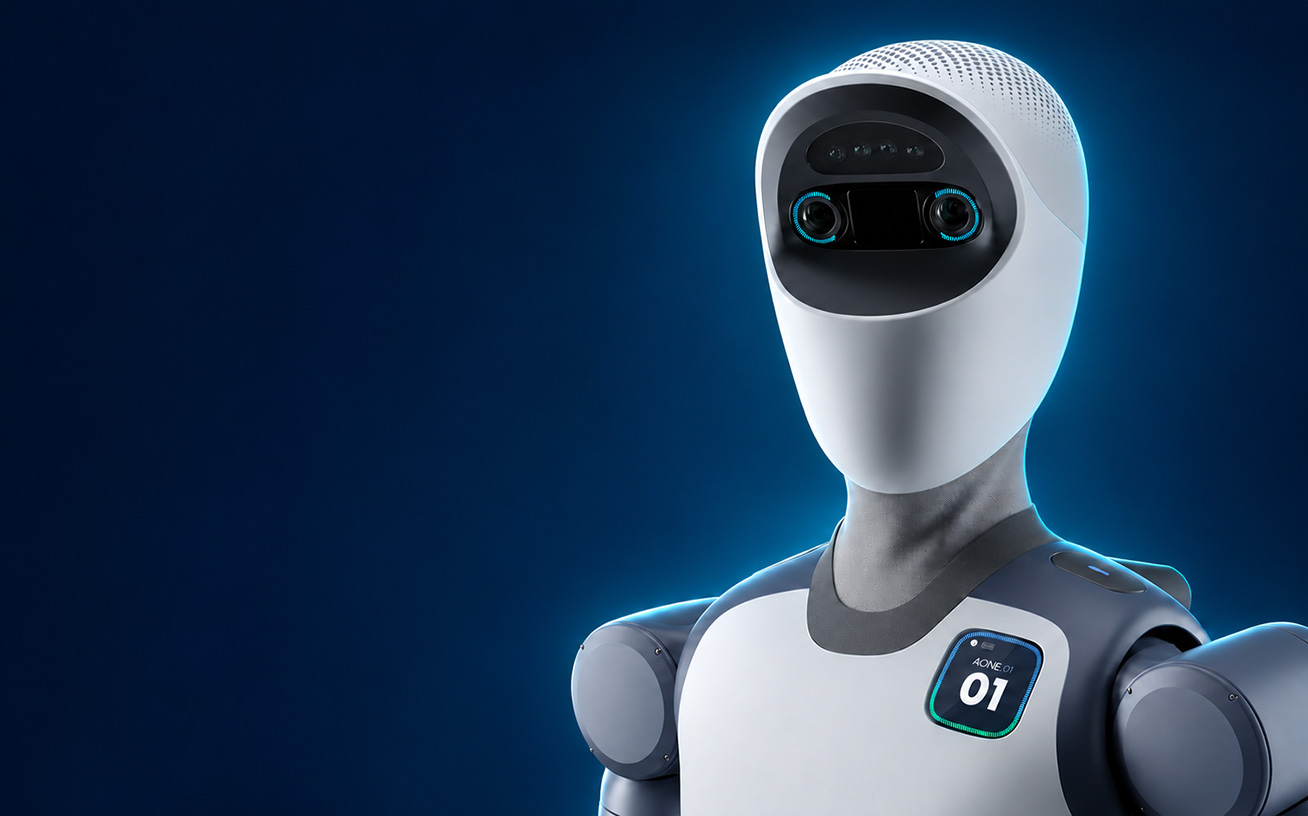
The connection to Agile ONE is the potential to bring product development closer to industrial work.
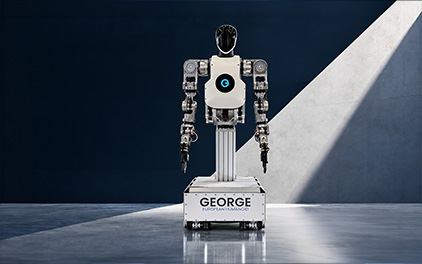
Agile describes automated arm and torso production, with people assembling the dexterous hands and completing the final build. Its account covers both legged and wheeled machines.
For Zhaopeng Chen and his team, in-house production could offer more than capacity. A problem seen during assembly can reach the design team. A material-handling task can provide operating data. The potential advantage is a shorter route between observing a problem and improving a later system.
Agile ONE’s product description identifies its robot foundation models are trained using industrial data, simulated datasets and data gathered through teleoperation and human input. That supports a wider strategy of connecting robot development with industrial work.
There is also a named application beyond Agile’s own site. On 21 October 2026, Audi announced a proof of concept with Agile Robots, Dassault Systèmes and NVIDIA for parts sequencing at Ingolstadt using mobile humanoids. Audi said a virtual twin was being created to assess the task before deployment.
Seen together, the factory and the Audi proof of concept provide different settings for developing Agile’s robotics. The commercial opportunity is to turn that experience into capabilities customers can use.
For businesses and researchers, useful next evidence would be a specific example of factory experience informing a change to a robot’s hardware or software.
TRG’s Humanoid Market Brief examines the commercial decisions shaping humanoid adoption.