Andromeda Robotics - the humanoid making people feel less alone
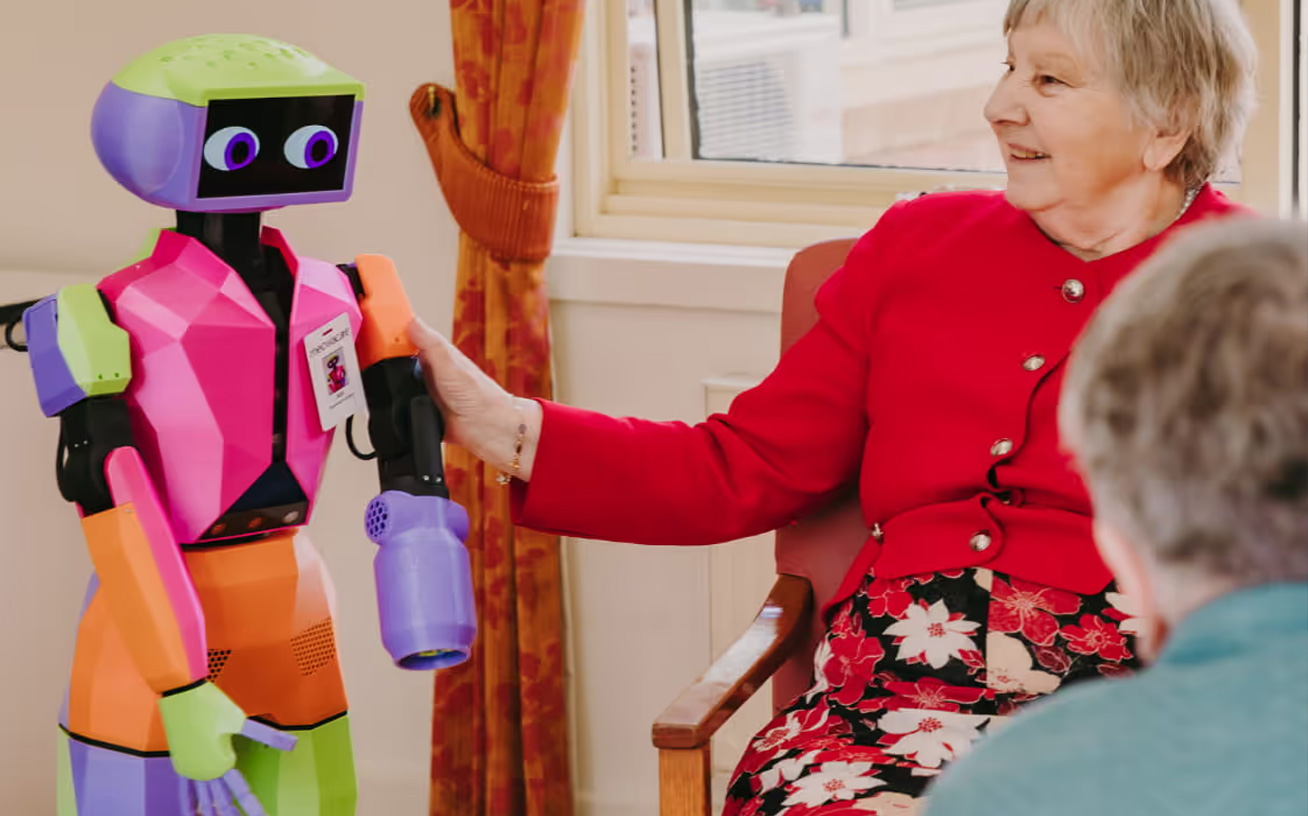


In a Victorian care home, a resident who had spoken little for months began reciting poetry in Chinese to a robot. Andromeda Robotics shared the account as an example of what its humanoid companion, Abi, is helping make possible.
For someone who has withdrawn from conversation, choosing to speak again can be a significant moment.
Created in Melbourne, Abi brings personalised companionship into aged care and assisted living. Founder Grace Brown and her team have built a colourful, expressive robot designed to be approachable and give people a reason to engage.
Andromeda says Abi speaks 90 languages and can remember previous conversations. She joins residents for music, games and one-to-one conversation, adapting interactions to the person spending time with her.
The language capability deserves particular attention. Being able to talk in your first language can make a conversation more comfortable and give you more freedom to express yourself.
At Medical & Aged Care Group, Abi has been part of wellbeing activities across three homes since February 2024. Staff describe residents spontaneously singing and dancing with her, requesting favourite songs and joining group sessions.
Those shared activities also create opportunities for residents and staff to connect with one another. Abi’s value can extend beyond the conversation she has herself.
Following trials at two homes, mecwacare announced a rollout across 22 locations. Andromeda now reports an Abi in every one of those homes across Melbourne and regional Victoria.
Expanding across a care provider’s homes is a useful sign of acceptance. It also creates more opportunities to learn how robot companionship fits into everyday care.
Abi has also joined the memory care community at Eskaton Village Carmichael in California. Alongside the deployment, Andromeda reports an independent observational study with nursing researchers at UC Davis, examining how residents, care partners and families experience her over time.
That work should help build a clearer picture of where robot companionship helps and how it fits into daily care.
At The Robot Group, we see a wider lesson in Abi’s progress. A humanoid’s usefulness depends on how people respond to it and whether it earns a lasting place in their routines. Andromeda is putting that question to the test in care homes, where the quality of an interaction matters.
For the person who starts a conversation or joins a song, the benefit is personal. Having something to look forward to can change the shape of a day.
TRG’s Humanoid Market Brief examines the commercial decisions shaping humanoid adoption.