Ready to deploy humanoid robots in your business?
Thank you for reaching out. A member of our team will be in touch shortly.
Oops! Something went wrong while submitting the form. Please try again.




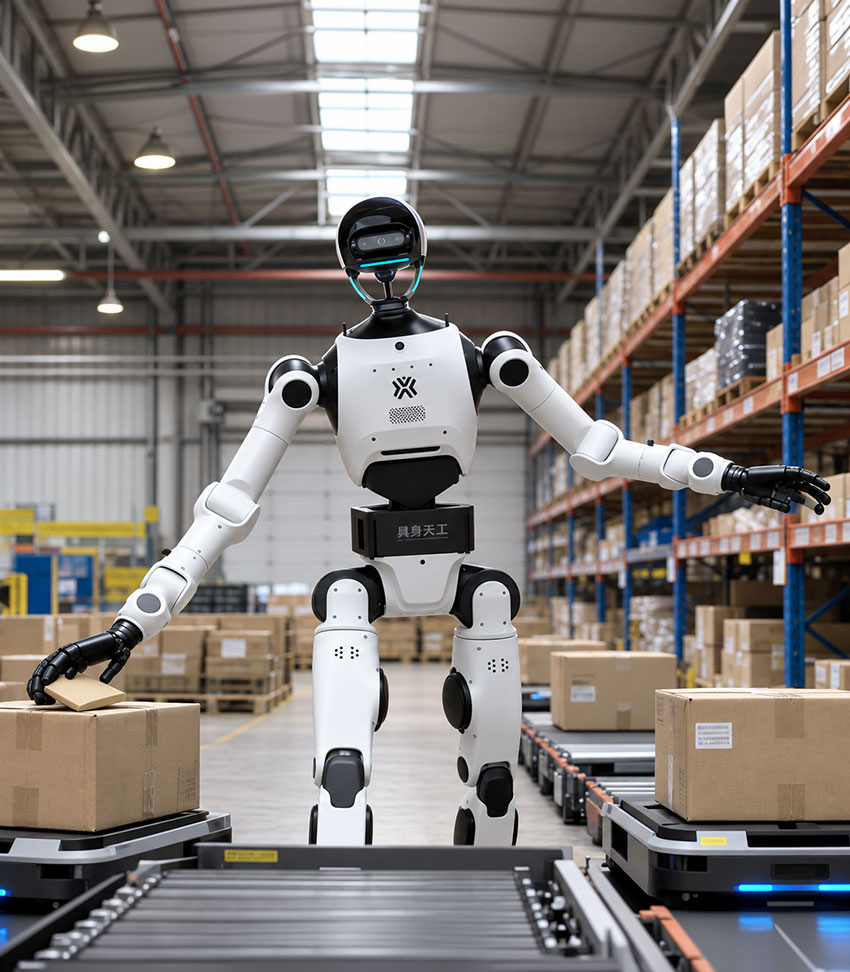
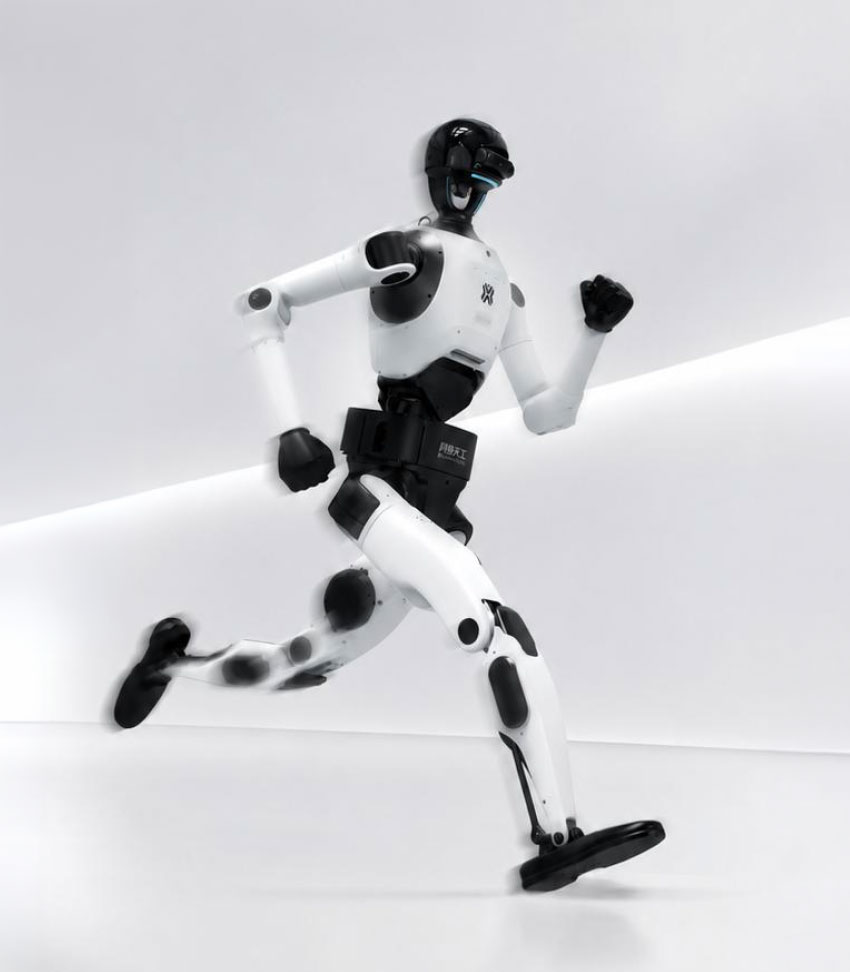
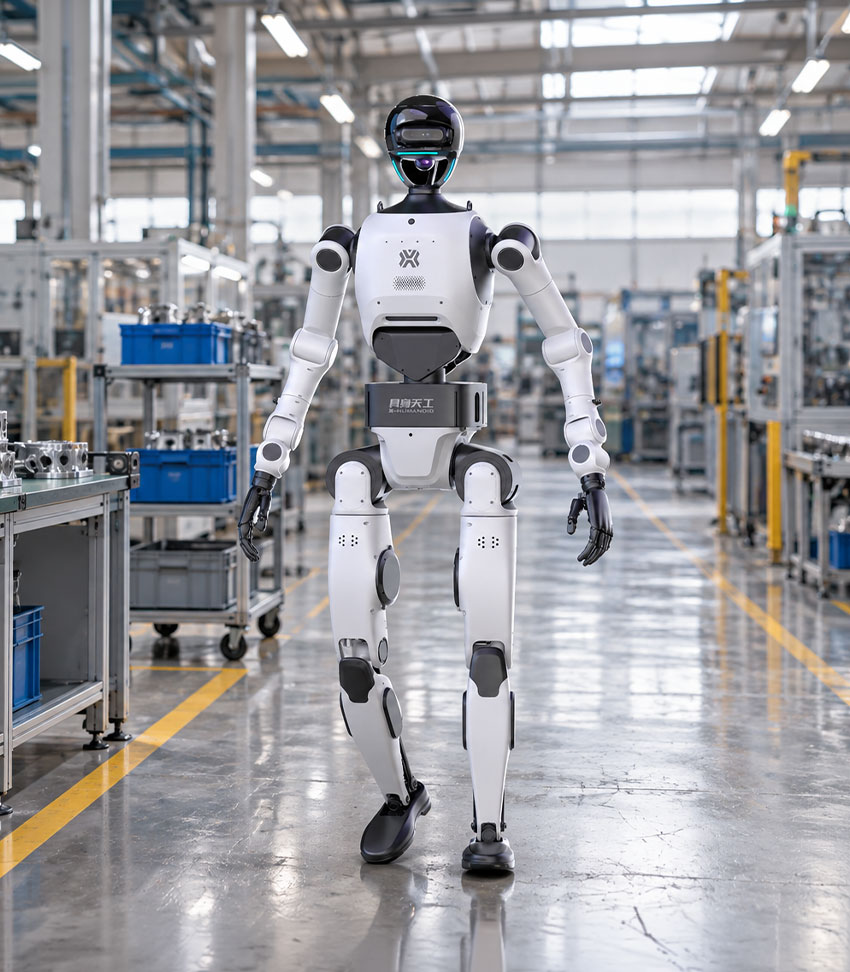
TianGong 3.0 combines bipedal movement with two-arm manipulation in a full-size humanoid platform. It brings together whole-body motion control, onboard perception and configurable dexterous hands to support applications that require a robot to move through an environment and interact with objects or equipment.
X-HUMANOID positions the platform for tasks including parts sorting, bin picking and industrial inspection. Its open motor and sensor interfaces also make it relevant to engineering teams developing their own robotic applications.
For UK businesses, the starting point is a specific workflow: what the robot must handle, where it needs to operate and what successful performance looks like. The Robot Group helps establish those requirements and work with X-HUMANOID on the appropriate configuration and evaluation plan.