Ready to deploy humanoid robots in your business?
Thank you for reaching out. A member of our team will be in touch shortly.
Oops! Something went wrong while submitting the form. Please try again.




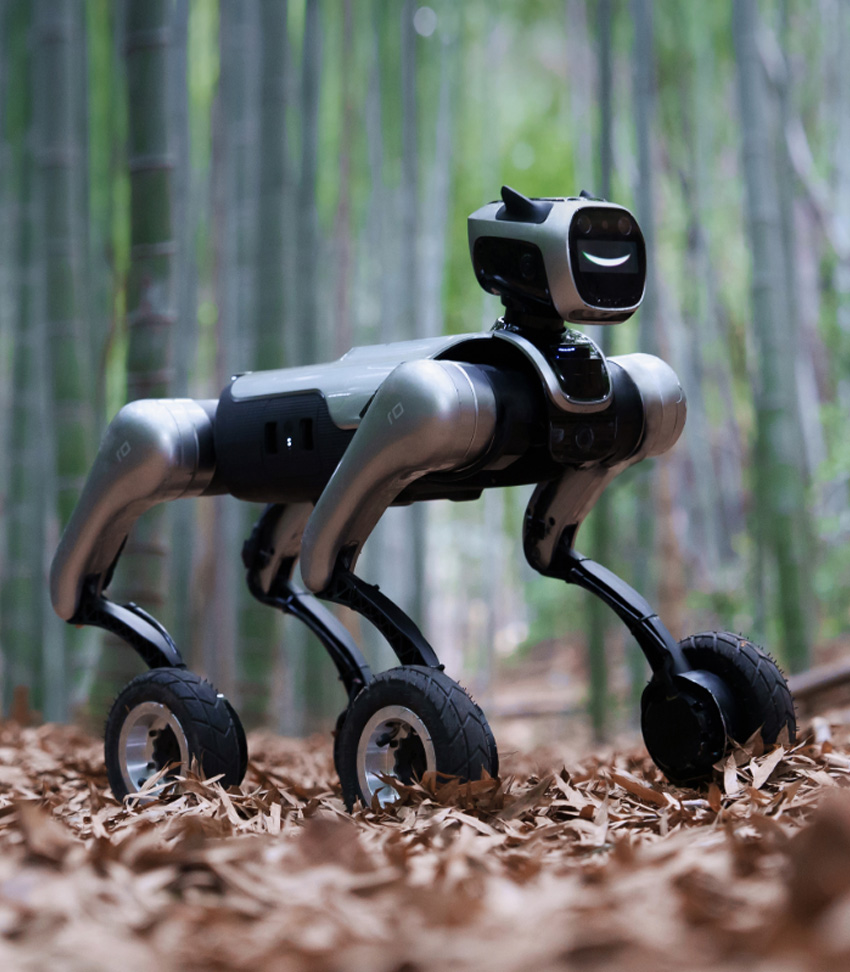
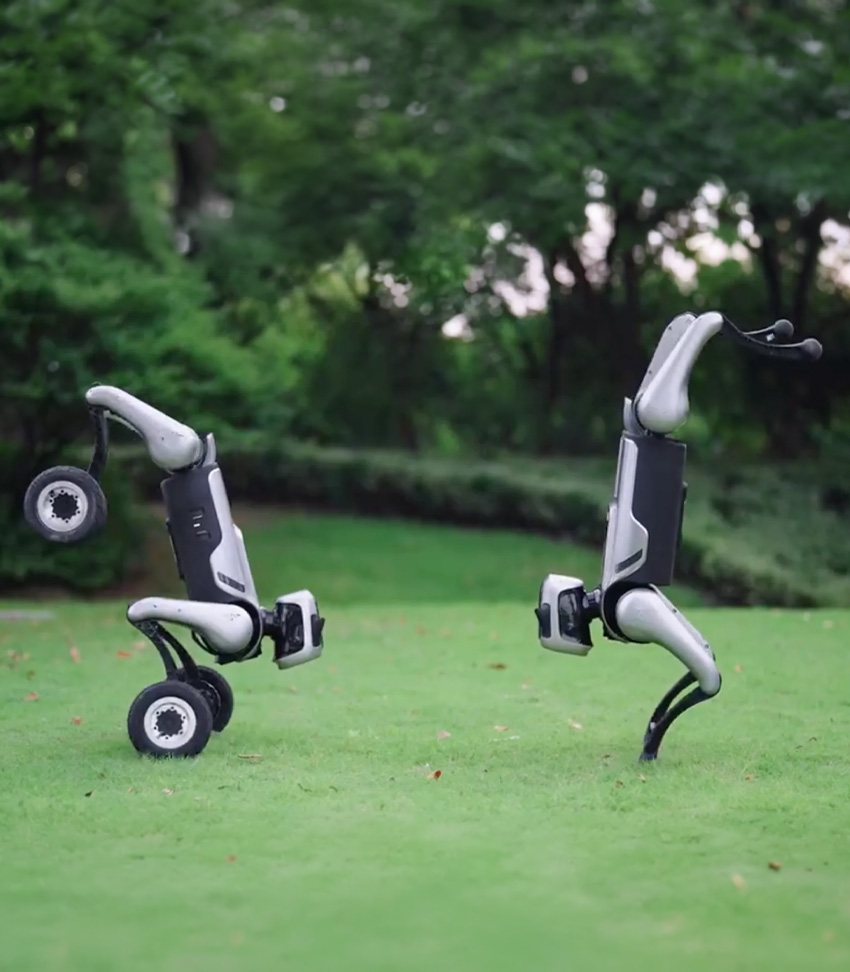
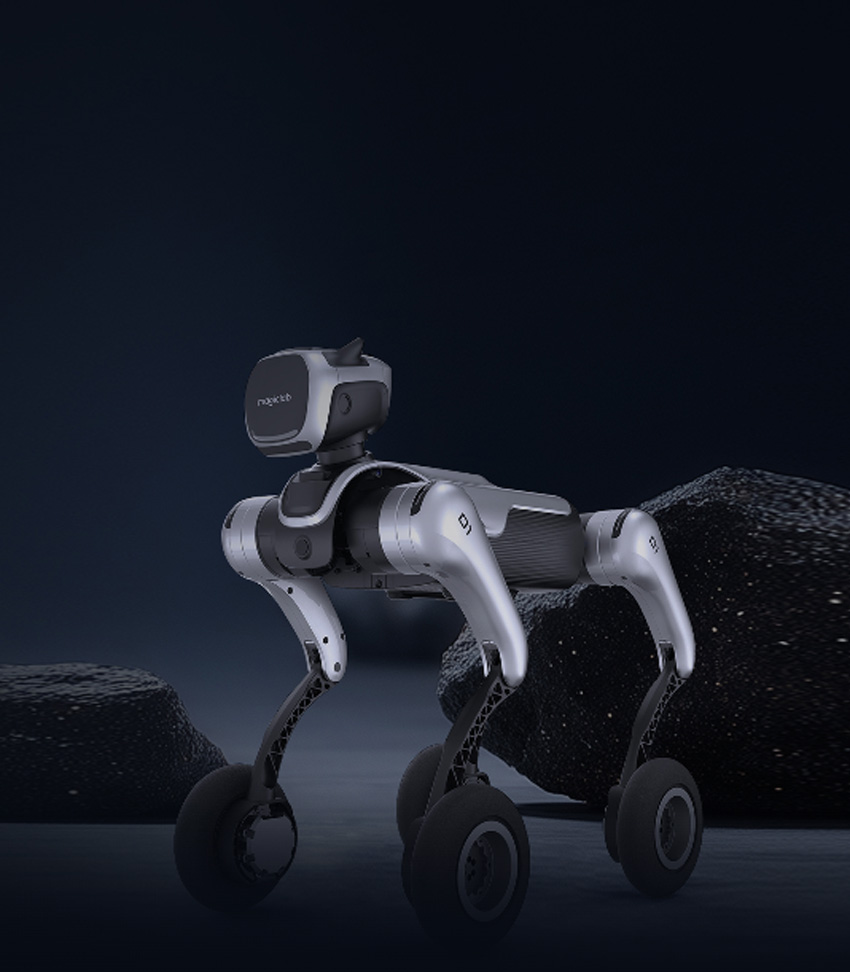
MagicDog-W brings wheel-driven travel and legged movement into one robot. It gives development teams a way to examine how a mobile platform changes its movement and posture as the route or surface changes.
Its expandable backplate supports additional hardware, making the robot relevant to projects that combine mobility with sensing or onboard computing. The complete payload should be assessed alongside the route and required operating time.
The Robot Group helps UK organisations scope the application, review configuration and development access, and establish a practical evaluation.