MagicLab Robotics
MagicBot Z1
MagicLab Robotics

MagicBot Z1

An agile humanoid for robotics education, movement research and technology demonstrations. Choose a Development version for custom control and application development. Explore MagicBot Z1 through The Robot Group’s Official MagicLab Robotics Commercial Route, with the edition selected around your project.
Key industrial use cases
Robotics teaching; motion-control research; embodied AI experiments; perception development; exhibitions; programmed performance.
Request Assessment
MagicBot Z1

Robot overview

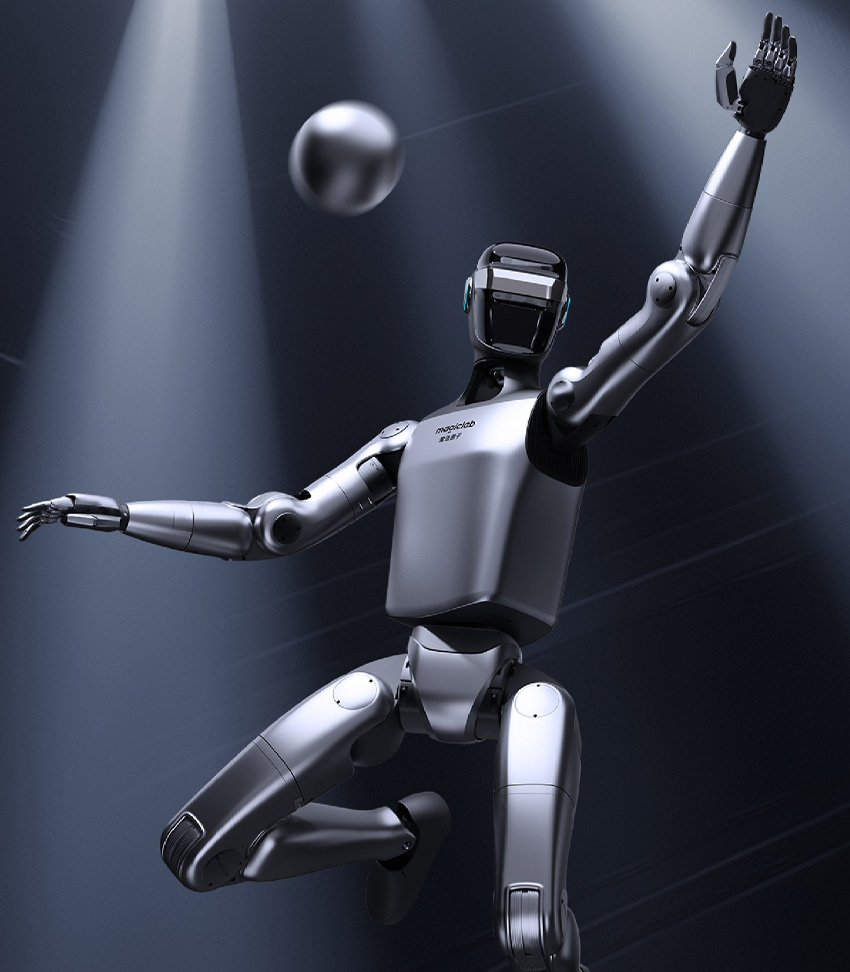
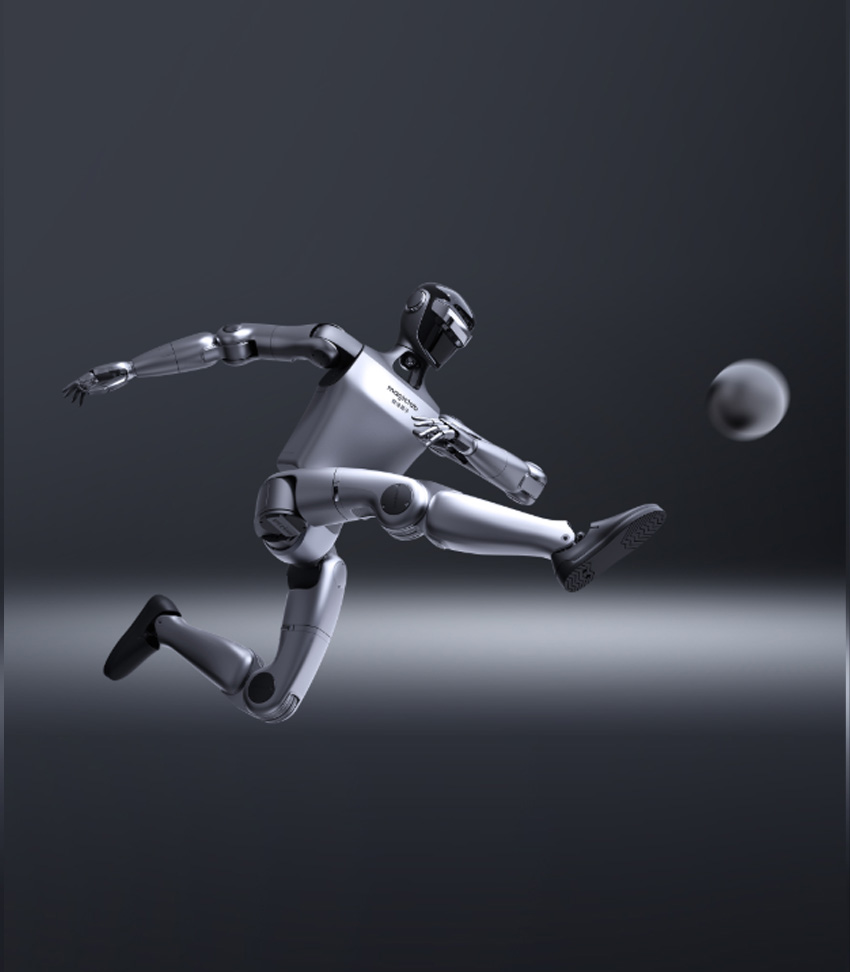
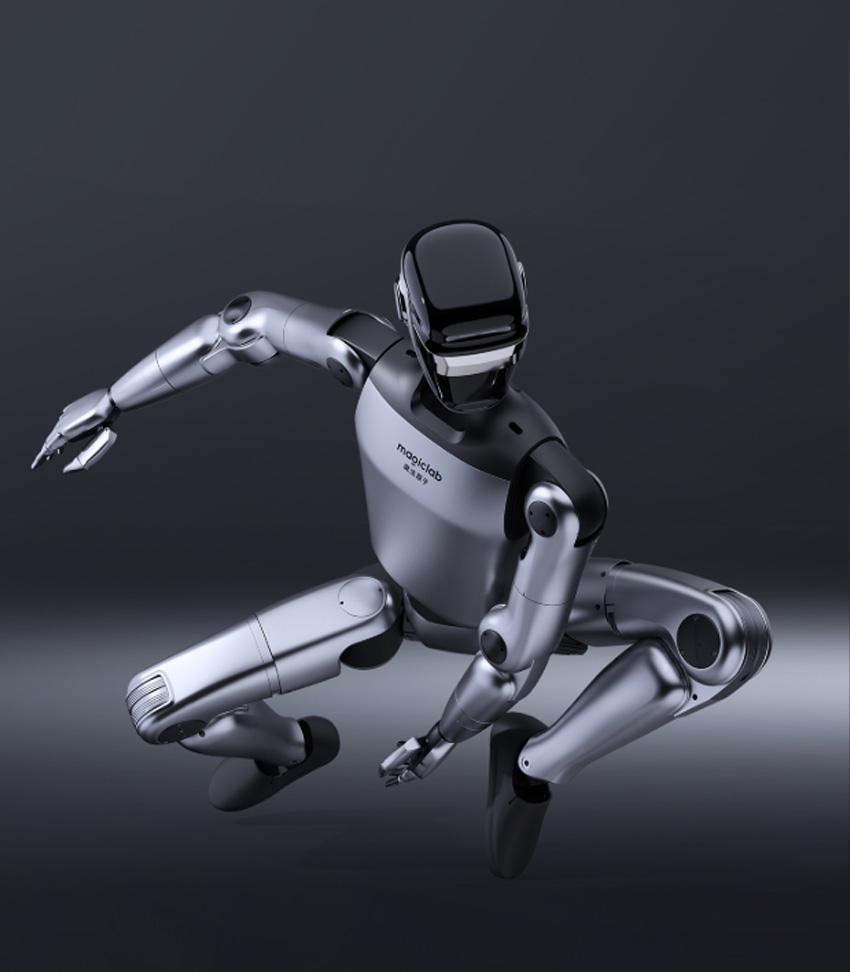
MagicBot Z1 offers a smaller humanoid format for teams exploring movement, perception and interaction. Its size and configurable hardware make it relevant to practical teaching, research programmes and supervised demonstrations.

Edition choice matters. The standard Z1 focuses on the supplied capabilities, while the Development version adds secondary-development access and optional hardware for more demanding projects.

The Robot Group helps UK organisations define the first useful outcome, compare the relevant Z1 configurations and establish the software access required before purchase.

See MagicBot Z1 in action

Request Assessment
MagicBot Z1
Key

Technical Breakthroughs

1. An articulated platform for movement experiments

Z1 stands approximately 136.9 cm tall, with a base configuration of 24 degrees of freedom. Articulated legs, arms, waist and head give teams a physical platform for studying coordinated humanoid movement and presenting programmed routines.

2. SDK access through the Development version

MagicLab’s Z1 development resources cover high-level motion, low-level joint control, sensors, audio, state monitoring and navigation. Python and C++ APIs support different levels of programming. Select the Development version when the project requires custom software access.

Explore Z1 developer documentation

3. Multiple inputs for perception development

3D LiDAR, a depth camera and binocular fisheye cameras provide different views of the environment. On a supported development configuration, teams can investigate how those inputs contribute to mapping, localisation and obstacle response.

4. Additional articulation and tactile hand options

Supported Development configurations offer additional wrist articulation and optional tactile dexterous hands. These options allow a project to extend beyond locomotion into reaching, grasping and interaction with objects. We help match the hardware to the intended experiments.

5. A quick-release battery for practical sessions

A quick-release 10,000 mAh smart battery simplifies battery replacement between sessions. Running time should be planned around the selected routines, computing load and operating conditions, with charging and spare-battery requirements established alongside the robot configuration.

MagicBot Z1

Deployment

+ Scalability

Plan the first teaching exercise, research experiment or demonstration before selecting the edition. A useful evaluation could test a repeatable movement, measure a perception task or assess a defined interaction.

The Robot Group helps establish:

  • Standard or Development version and required software access.
  • Joint configuration, hand options and computing needs.
  • Relevant SDK examples and development responsibilities.
  • Operating space, supervision and battery arrangements.
  • Repeatability, acceptance measures and manufacturer support.

‍

Use the first results to refine the software and hardware requirements before extending the programme or adding robots.

UK enquiries and evaluation planning are open. Pricing, delivery and support arrangements are confirmed for each project.

Direct access to leading humanoid OEMs; at the industry’s best rates.

The Robot Group is an independent adviser. Brand names and products are referenced for comparison.
‍
All trademarks are the property of their respective owners. Availability and UK compliance subject to OEM confirmation.
Humanoid performing parts kitting tasks
Ready to deploy humanoid robots in your business?