Ready to deploy humanoid robots in your business?
Thank you for reaching out. A member of our team will be in touch shortly.
Oops! Something went wrong while submitting the form. Please try again.




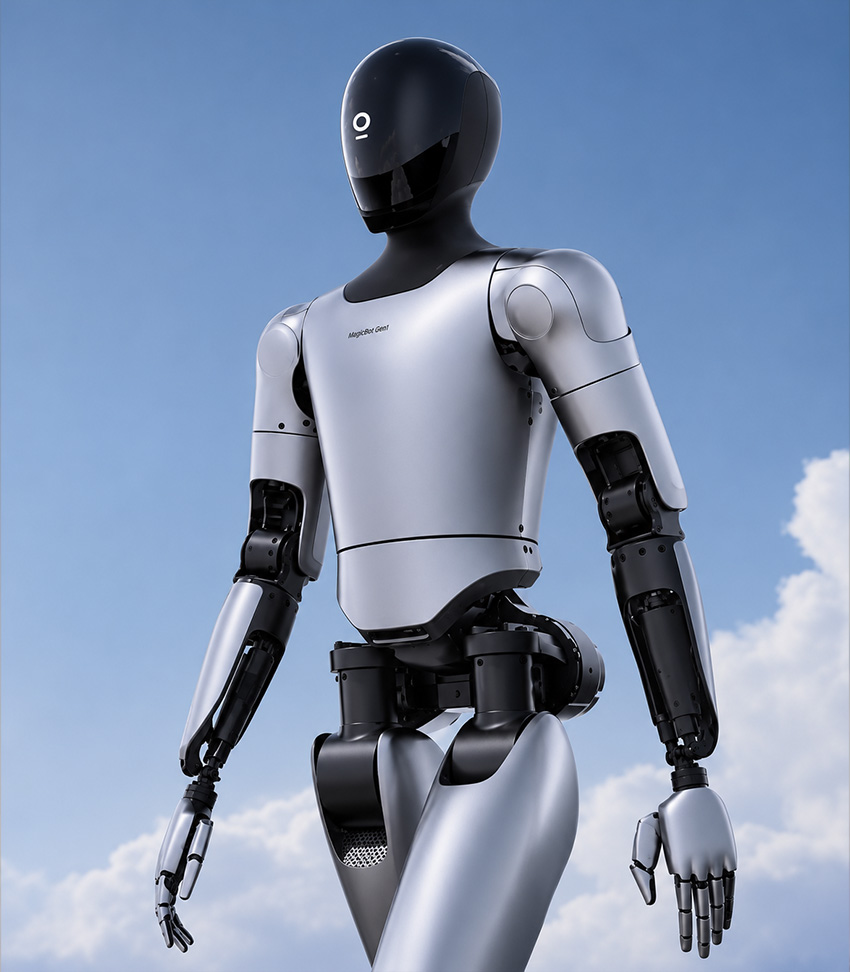
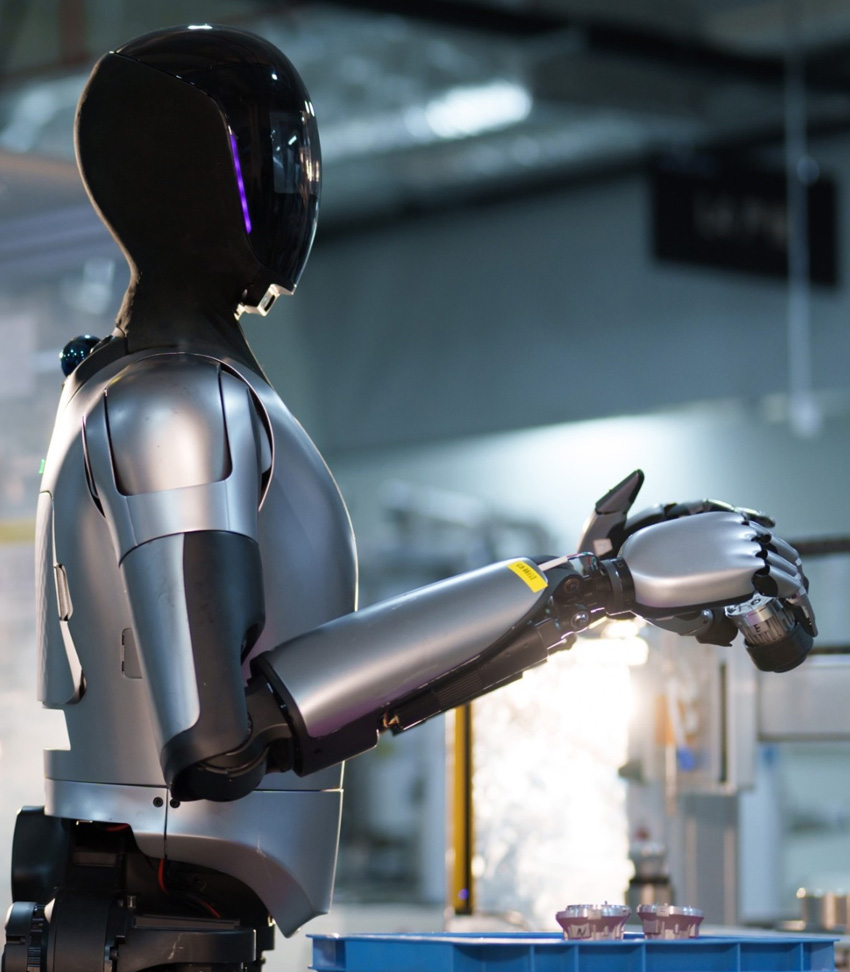
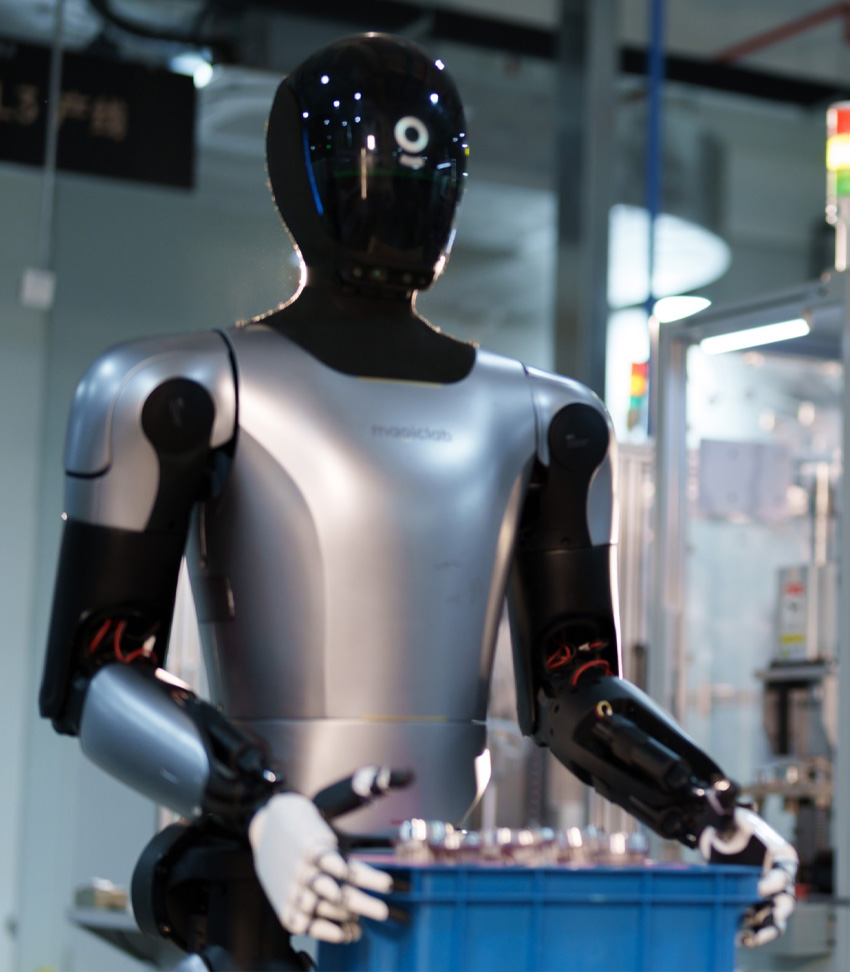
MagicBot Gen1 brings bipedal movement, articulated arms and onboard perception into a full-size research and development platform. It gives teams scope to investigate how a humanoid moves through an environment and acts on the objects around it.
For a research lab, the first project could combine a defined movement with a simple handling task. For a commercial team, it could test whether a specific workflow is practical before committing to a wider pilot.
The Robot Group helps UK organisations assess Gen1 against the required reach, software access and operating conditions, then select a configuration and evaluation plan.